

Ways to Embrace the Holidays During the Pandemic
by Melody Wright, LMFT

The holiday season is rapidly approaching -- and with the change in seasons, so is the possibility of another wave of COVID-19 cases striking our nation.
When watching the news, it can be easy to get discouraged by the plans we'll have to cancel and the traditions we won't get to experience. But the presence of a global pandemic does not mean the holidays are cancelled.
This year's celebrations might look different, but we can still enjoy the holidays with family and friends in safe, socially distanced ways. Here's how to navigate the holidays, logistically and emotionally, during the COVID-19 pandemic.
Coping with Change
Whatever your usual holiday traditions, there is a very real chance that your plans may need to change in light of the COVID-19 pandemic. These changes can be challenging in terms of planning, but also to cope with emotionally.
Some changes might create conflict between you and your family members. People may disagree about the safety measures that should be taken to protect vulnerable family members from the virus. Additionally, limits on the number of people who can gather for the holidays might mean disappointing relatives who didn't make the guest list.
Your safety, and that of your at-risk loved ones, must take the ultimate priority. With that in mind, you may need to make tough choices about who to spend the holidays with, based on the precautions your friends and family are taking to avoid getting sick. But that does not mean these decisions are easy to make, especially when they mean disappointing loved ones.
If you are feeling anxious, sad, angry, or afraid about the changes you will need to make to your holiday celebrations, it's important to acknowledge your emotions. Whatever you are feeling during this trying time is valid. That being said, that does not mean you should give into old or potentially unhealthy coping strategies to deal with these emotions.
People with mental health conditions like anxiety, depression, or substance use disorder may find they are triggered by the stress of the pandemic. Understanding that this year's holidays might be more challenging than usual means creating a coping plan ahead of time so that you will not give in to any of your default habits, like abusing substances or avoiding your emotions.
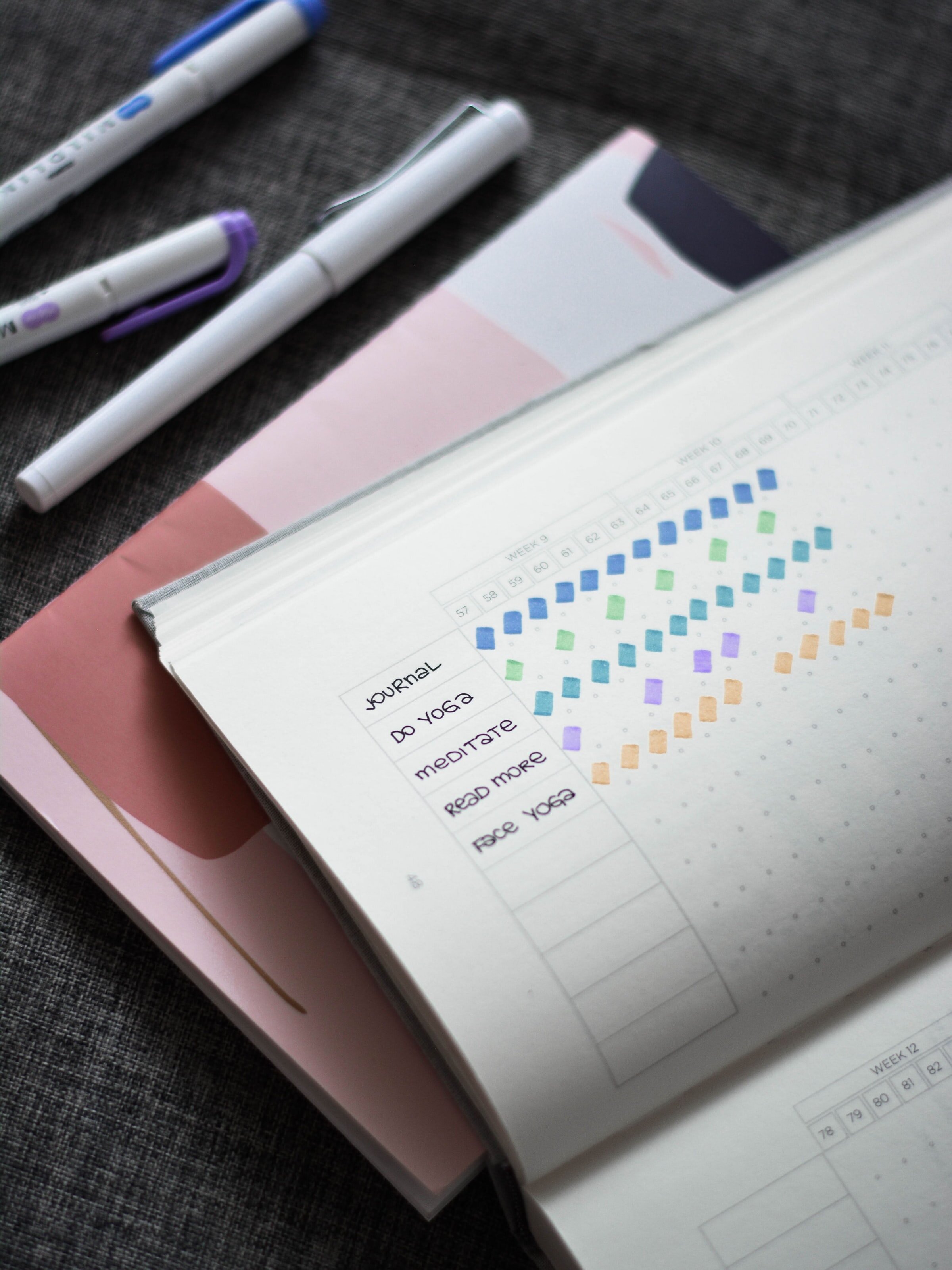
Think about the ways you usually cope with stress. Do they make you feel better or worse? Are the consequences positive or negative? Then, add some additional habits you want to incorporate -- such as exercising, crafting, meditating, or journaling -- to build into your routine to help you manage holiday stress. By managing your own stress response, you will also be less vulnerable to anger, which may reduce family conflict around the holidays.
Celebrating Safely
The COVID-19 pandemic does not mean you need to cancel your holiday plans, but it does mean you may need to make changes to adapt your celebrations to the most recent safety guidelines issued by the Centers for Disease Control and Prevention (CDC) and other global, federal, state, and local regulatory agencies.
One of the most challenging regulations to deal with is the limit on the number of attendees that can be present at family gatherings. In California, the current rule is that no more than three households can be present at any private gathering. This means that while you can still see your close family around the holidays, you may not be able to hold parties or large gatherings with extended family.

If you want to see your extended family over the holidays, you might consider bringing your annual celebrations online using a video chat platform like Zoom or Skype. You can even get creative with technology: for example, you could plan a virtual movie night using the Teleparty extension for Google Chrome, which allows you to invite friends and family to a synchronized viewing of your favorite holiday film on Netflix.
Many of us have older relatives or relatives who are immunocompromised and worry about whether our holiday celebrations could negatively impact their health. Online celebrations are also a good option for these family members, who can stay safe at home while still avoiding isolation over the holidays.
However, some elderly family members may not feel comfortable using technology or have access to the kind of technology needed to take part in virtual gatherings. In that case, an old-fashioned phone call or a holiday card sent by snail mail can let your older relative know that you are thinking of them, without putting them at risk of contracting the virus.
Some of us who live far from our families may need to weigh the risks of travel against the benefits of spending the holidays with loved ones. Whenever possible, it is safer to stay home -- but it is understandable that we would not want to feel isolated during such a special time of year. If you do choose to travel over the holidays, make sure you are complying with the latest regulations, such as wearing masks in public areas and social distancing whenever possible.

Navigating the holidays during the COVID-19 pandemic brings new challenges to our winter festivities, but that does not mean we cannot enjoy this time of year with family and friends. Start planning for the holidays now to ensure you can cope effectively and comply with all safety regulations necessary to have a safe and enjoyable celebration.
And, if you find that you need additional support during this stressful time, remember that Life by Design Therapy is always here for you. Schedule a phone consultation with one of our therapists to help you manage the holiday blues no matter what you're celebrating, without leaving the safety of your home.

A Brief Introduction to the Five Gates of Grief
by Ashley Gregory, LMFT

How to Learn About Death
At some point as a young person, were you also absolutely fascinated by Ancient Egypt? Perhaps your sixth grade history class was also woefully uneventful before learning about mummification, hieroglyphics and golden sarcophagi (plural for sarcophagus). Honestly, what I remember most is what it meant to me to be talking about death.
At that time, I had not lost anyone close to me; there were no friends or family members I knew who had died. I did not know what to do if someone were to die. There was no guide or practice to lean on. I only knew to hope that no one close to me would die before I figured it out or someone told me. The Ancient Egyptians, on the other hand, knew how to prepare their beloved for death. Some part of me longed for direction around such a profound life event. I had so many questions -- questions that had yet to take shape in words, yet were becoming louder in my being.
In his book The Wild Edge of Sorrow, Francis Willer introduces the “Five Gates of Grief.” When I first heard of the gates of grief, I remember feeling relieved. Finally, I thought, an invitation to grief that is open to everyone. The gates offer structure to the shared woundedness in our human experiences, pointing us to healing in ways that are both profoundly unique and exquisitely collective. As you become familiar with the Five Gates of Grief, I invite you to notice what arises in your experience and to be gentle with yourself in the process.
The First Gate: Everything We Love, We Will Lose
For Weller, the first gate is the gate most popularly acknowledged--it is the grief of when we lose something or someone we love. That something can be a tangible thing or an idea about ourselves in the past, how things used to be. Whatever it was, it meant something to us. It met our need for beauty, perhaps, or for choice or for order. Loss of a way things once were may describe an experience of illness. It is at this gate that we are confronted with impermanence. Essentially, “everything is a gift, and nothing lasts (24).” It is change that is most reliable because nothing and no one lasts forever.
The Second Gate: The Places That Have Not Known Love
Grief at the second gate is about the parts of us who “have been wrapped in shame and banished to the farthest shores of our lives (31).” We enter this gate by designating parts of us as despicable and unloveable. What would happen if we listened to these parts? What would it take for us to acknowledge the worthiness of our most despised aspects of ourselves? Much of the time, the exiled parts of us are those who have suffered the loss of tender touch or soothing embraces. These parts are the young ones who made sense of harsh words or persistent betrayals by blaming themselves. These are the experiences of what is known as developmental trauma--ruptures in our sense of self, in the way we understand the world and who we can count on to protect us. What do we need to do in order to approach our exiled parts and reassure them of their worthiness?

The Third Gate: The Sorrows of the World
It is at the third gate that we acknowledge losses on a planetary scale. Weller asserts that “Whether or not we consciously recognize it, the daily diminishment of species, habitats, and cultures is noted in our psyches. Much of the grief we carry is not personal, but shared, communal (46).” In our fast-paced world, how often is it that we pause to honor the grief arising from the streams, mountains, oceans and land? Entering grief through this gate means opening ourselves up to profound feelings of despair and awe. “Remembering our bond with the earth,” Weller suggests, “helps heal our bodies and souls (52).”
The Fourth Gate: What We Expected and Did Not Receive
The fourth gate speaks to our felt sense of emptiness, of isolation embodied in the fractured relationships with all life and the instability of societies prioritizing profit over collective well-being. “Our profound feelings of lacking something are not a reflection of a personal failure, but the reflection of a society that has failed to offer us what we were designed to expect (Weller, 53).” We are designed for connection and contribution. For thousands of years, humans relied on one another to flourish. Not until relatively suddenly in our long history have many of us lived in a way which denies our unique gifts. To be known and to be seen through creativity, play and story is familiar and soothing. What might it mean for you to explore your sense of purpose?
The Fifth Gate: Ancestral Grief
At the fifth gate we acknowledge the grief of our ancestors, an acknowledgment of the ways we have taken on their suffering. It is also where we face the monumental injustices of our past, the violence and systematic assaults of war, colonialism, slavery and genocide. “The long shadow of this violence persists in our psyches, and we need to address it and work with it until there is some genuine atonement for these wrongs (Weller, 68).” Lastly, this gate offers an invitation to re-establish awareness of one’s roots while mourning the loss of our ancestors.
Our Grief is Worthy of Attention
Comparison and dismissiveness lay the foundation for dis-ease. Drawing our attention to and offering compassion towards our own suffering does not diminish our care and consideration for the suffering around us. In truth, we are all worthy of attending to what brings us to the gates of grief.


Understanding Attachment Styles, Part III: What is Secure Attachment?
by Melody Wright, LMFT

Dr. Sue Johnson first developed Emotionally Focused Couples and Family Therapy (EFT) in the 1980s, with the goal of understanding how to help people with insecure attachment styles become more secure in their relationships. EFT considers insecurity to be the main driver of conflict in couples -- which is why it's so important to develop a secure attachment style.
Some people are fortunate enough to develop secure attachment relationships early on, as a result of receiving consistent love and attention from their parents and caregivers in childhood. For those who have developed anxious, avoidant, or disorganized attachment styles, developing a secure attachment style is the ultimate goal of EFT.
It's possible for anyone to develop a secure attachment -- but first, it's essential to understand what, exactly, it means to have a secure attachment style.
The Secure Attachment Style
Our attachment styles begin in early childhood, and secure attachment is no different. Babies need to feel confident in their caregiver's availability and responsiveness in order to develop secure relationships later in life.
According to Dr. Diana Divecha, secure attachments serve three functions in a child's life:
Providing a sense of safety and security.
Helping children regulate emotions by soothing distress and creating joy.
Offering a secure base from which children can safely explore.
When one or many of these elements are missing from a caregiver's response to their child, the child may go on to develop an insecure attachment style -- anxious, avoidant, disorganized -- later in life. However, when all of these elements are present, a baby can grow into a healthy, happy adult with the confidence and security they need to pursue romantic relationships and share their innermost emotions with others.

How to Develop a Secure Relationship
Even if you don't view yourself as a person with a secure attachment style, you can work to address your insecure behaviors, challenge unhelpful thoughts, and develop a secure relationship.
People with insecure attachment types may inadvertently seek out partners who are inattentive to their needs or even abusive because this pattern of behavior is familiar to them from childhood. Often, one secure relationship is all we need to show ourselves that relationships can be "safe" and that others can be trusted.
Developing a secure attachment style is easier said than done, and many times requires therapy to help unpack the childhood experiences that shaped our attachment style in adulthood. However, there are a few proactive things you can do to promote healthy, secure attachment in a romantic relationship:
Tend to your own needs. Secure attachment goes hand-in-hand with self-esteem. When you value yourself, you meet your own needs before attending to anyone else’s. It's important to maintain some independence in a relationship -- and one way to do that is to take time for self-care. Go to an exercise class without your partner, get a haircut or manicure, write in a journal…. Whatever you can do to help yourself feel good without the help of others, make time for it. We should also understand that if our partner wants to be alone or spend time with friends, it doesn’t mean that they don’t love us. It just means that they need to care for themself, too.
Set realistic expectations. Disney princess culture teaches us that romance needs to be perfect in order to be “true love.” Yet secure partners understand that perfection doesn’t exist in real life -- and they love and cherish their partners for who they are, imperfections and all. If you want to have a healthy and secure relationship, accept your partner's flaws, and set realistic expectations for your relationship. Having a successful relationship is about working with your partner, not trying to fix or change them.
Fight fairly. Some conflict is unavoidable in any relationship. You can’t control what your partner does in the face of conflict, but you can control how you respond. Fighting fairly means taking responsibility for your own feelings without blaming or name-calling. Whenever possible, it’s best to bring up concerns in a relationship when both partners are calm. If you need to, take time away from the conflict to cool down before working together to solve the problem at hand.
Whether you currently identify as anxious, avoidant, disorganized, or secure in your attachment style, there is always room for improvement when it comes to developing healthy, happy relationships. These tips will help you feel more secure in your relationship -- and support your partner’s sense of security, too. If you find you need more support, Life by Design Therapy can help you and your partner grow through conflict and come out stronger than ever before. Contact us for a free phone consultation to learn more about our holistic approach to couples’ counseling.

Have you read our entire attachment series?
Read the below attachment blogs to learn more!


5 Ways to Care for Yourself When Dealing with Racial Trauma
by Dr. Nia Saunders

In the wake of the recent grand jury decision regarding Breonna Taylor, many are experiencing outrage and disbelief. For Black people in particular, the decision represents yet another profound loss and continued lack of justice for violence against Black women.
Our community is hurting. This pain is intensified by the backdrop of Covid-19 (which disproportionately affects BIPOC) and the protests following George Floyd’s murder, serving as another reminder that our society is also fighting other widespread social pandemics - White supremacy, anti-Black racism, and institutional oppression related to policing. Many Black people are asking each other “How do we continue showing up to work, putting on a ‘professional’ smile, and acting as if we are not grieving, as if our humanity is not constantly under threat?”
These experiences contribute to what is called racial trauma. Common responses include anxiety, depression, anger, trouble concentrating, flashbacks, emotional numbing, being on edge, and loss of hope. Racial trauma often shows up in our bodies in the form of physical aches, fatigue, and appetite changes. It can lead to unhelpful ways of coping such as isolating or increased drug and alcohol use. Given the research about the impact of racial stress on Black physical and mental health, it’s essential to use practices to support wellness.
Give yourself permission to not be okay with all that is happening.
Your experiences and reactions to racism are valid. The feelings of anguish and despair are understandable and normal reactions to systemic oppression. Comments from others aimed at derailing conversations such as “It’s not about race” or “If Black people would just” are gaslighting. This is a technique used by abusers to make their victims question their reality. It’s okay to resist being a racial educator for those who do not care to understand. It’s more important to affirm for yourself that your lived experiences matter and are legitimate.
Find safe spaces to vent.
It’s important to locate the supportive people and places who have a level of racial awareness and can safely hold your experiences. While challenging, the restrictions associated with Covid-19 offer increased availability of online resources that center the needs of Black folx, such as the ones in the list below.
Prioritize caring for yourself and your physical, emotional, and spiritual health.
It’s common for people to feel guilt about putting themselves first. Audre Lorde said “Caring for myself is not self-indulgence, it is self-preservation, and that is an act of political warfare.” There is more than one way to fight in the movement for racial justice and it’s important to care for yourself in ways that honor your needs. Pause for 1 minute and practice listening to your body’s cues that signal the need for food/water, rest, movement, or social connection. Try to conserve your energy and focus on things that pour into you and feel restorative.
Limit social media use when possible.
Although many people use social media as a form of distraction, exposure to constant images of violence (physical or structural) against Black people can be traumatizing. If you must engage online, try limiting your time and actively doing something to counteract the negativity. For example, 30 minutes of social media = 1 hour of moving your body or being outside.
Find moments to cultivate joy.
This can be a powerful way to challenge feelings of despair and reclaim your personal power. Try creating a list of 3 things you are grateful for today. Think about 5 things that bring you joy, put them on your calendar, and set a reminder. It can be helpful to connect with positive aspects of Black racial identity such as listening to music, dance, or using humor. Whether it’s being in nature, journaling, or creating art, we all have something that brings a sense of calm or livens our spirit, even if it feels small. Let’s commit to doing all we can to create opportunities for joy. Your life matters.
Therapy Reflections:
Am I giving myself permission to feel whatever comes up for me?
Have I found safe people and places where I feel supported and valued?
What does my body need right now and how can I honor that?
How am I taking care of myself and intentionally cultivating joy?
Resources:
44 Mental Health Resources for Black People Trying to Survive in This Country: https://www.self.com/story/black-mental-health-resources
Therapy for Black Girls Podcast- Dr. Joy Harden Bradford: https://therapyforblackgirls.com/podcast
The Nap Ministry on Instagram: Highlights the radical power of rest for Black people and challenges ideas around over-working to the point of exhaustion. https://thenapministry.wordpress.com/
The Read- a podcast by Kid Fury and Crissle, two queer Black folx who discuss the intersection of pop culture, race, and mental health often with a comedic flair (not recommended for minors)

Understanding Attachment Styles, Part II: What is Avoidant & Disorganized Attachment?
by Melody Wright, LMFT

Dr. Sue Johnson's seminal research on attachment styles and the effectiveness of Emotionally Focused Couples and Family Therapy (EFT) dates back to 1985 and continues to drive marriage and family counseling today. In the last installment of our blog series, we discussed one of the four attachment styles: anxious attachment.
This next installment talks about two additional styles of attachment, avoidant and disorganized attachment. These two styles represent another way in which our relationships with our caregivers as children can manifest as relationship challenges later in adulthood. Read on to learn more about the avoidant and disorganized attachment styles, including how they differ from other styles of attachment and how they can manifest in romantic relationships.
THE AVOIDANT ATTACHMENT STYLE
Childhood Experiences
While some of us are blessed with parents who were completely attuned to our needs as a child, this is not the case for everyone. Unfortunately, some parents may intentionally or unintentionally neglect their children, leading the child to develop a belief that no one will be there to meet their needs.
Let’s be clear: neglect does not have to be in the form of basic needs such as having food, water and shelter (although it sometimes is). Emotional unavailability or unresponsiveness can impact a child as well, leading a child to play by themselves or express extreme independence from others. This characterizes the avoidant attachment style.
Growing up, someone with an avoidant attachment style may have received the message from their parents that showing emotion is a sign of weakness, leading to rejection or punishment from their caregiver. This may teach the child to feel uncomfortable expressing feelings, whether verbally or nonverbally. Many times, the child may suppress their feelings and avoid crying in order to remain close to loved ones who might otherwise reject them, allowing them to meet their need for physical closeness.

DATING SOMEONE WITH AN AVOIDANT ATTACHMENT STYLE
If you have ever dated someone who was a "commitment-phobe" or seemed distant or aloof, you may have experience dealing with an avoidant attachment style. People with an avoidant attachment style may avoid intimacy to the extreme, often reasoning their way out of closeness or complaining about feeling "suffocated" or "crowded" in a relationship. This can make it frustrating for people who want to get close to them, preventing many people with this attachment style from forming secure relationships.
Some people with an avoidant attachment style might avoid relationships altogether. They may express feelings that they do not need anyone else, or pursue a string of hookups or unserious relationships knowing that there is no chance of them falling in love with a person. Being in love with someone who has an avoidant attachment style, especially when you are not yet in a relationship with them, can, therefore, be trying.
When engaging with an avoidant attachment style, you may see them avert their eyes from unpleasant sights or "tune out" emotional conversations. Sometimes, they might even suppress memories of negative attachment events, such as a breakup or argument. As a result, many report that they have few memories of their parents from early childhood.
Avoidant-attached adults may also express an inflated, but fragile self-esteem, which serves as a defense mechanism. They may look at themselves in an overly positive light while being overly dismissive of others. This appearance of arrogance or even narcissism frequently masks lower self-esteem or even deep-seated feelings of self-hatred. Whenever someone challenges or fails to support their self-image, they might become excessively angry to protect themselves from feeling into the emotional pain and suffering.

AVOIDANT ATTACHMENT RELATIONSHIP PATTERNS
The patterns we form in early childhood as a result of our caregivers persist into adulthood -- and can affect our ability to form meaningful relationships with others. People who are avoidantly attached may come across as dismissive or aloof, even though they often want to be in a romantic relationship. Despite longing for closeness, however, they will resist emotional intimacy and won't show any signs of needing it.
People with an avoidant attachment style can come across as selfish, appearing to put their own needs in front of their partner's needs. When their partner expresses feelings or needs, they might show annoyance or disdain. It's important to remember that these reactions do not reflect their investment in the relationship; they developed this coping mechanism to navigate the so-called "emotional desert" they grew up in.
During conflicts with their partner, they may get quiet, shut down or leave the room altogether. These individuals are use to processing situations internally and at their own pace, and often become easily overwhelmed by their partner’s stronger emotional needs.
However, it's important to remember that an avoidant attachment style is not the end of the world for a relationship. If you recognize these signs and behaviors in your partner, you can still have a satisfying, loving relationship. Building a secure relationship with your partner is possible.
THE DISORGANIZED ATTACHMENT STYLE

Childhood Experiences
Disorganized attachment is recognized by some but not all members of the psychology community as another form of attachment -- Psychology Today calls it "the forgotten attachment style."
Disorganized attachment is the most intense of the four attachment styles, owing to the dire circumstances in which it develops. Disorganized attachment develops when a child experiences abuse, trauma, or chaos in the home. As a result, they learn to fear their caregivers and have no "secure base" to turn to for consistent support, emotional safety, and comfort.
People with a disorganized attachment style oscillate between the basic human need for belonging and their drive for survival. Like those with an anxious attachment style, people with a disorganized attachment style experience lots of anxiety in relationships, have an extreme need for closeness, and fear rejection by their partners.
DATING SOMEONE WITH A DISORGANIZED ATTACHMENT STYLE
For someone who experiences disorganized attachment, developing romantic relationships can be associated with more negative emotions than positive ones. They may appear overly trusting at one moment, then overly suspicious at the next. Or, they may withdraw at a moment's notice without reason or explanation.
Due to their history of trauma, someone with a disorganized attachment style likely finds forming relationships to be extremely difficult. Relationships require trust, and the act of learning to trust someone can be incredibly trying and understandably scary for them. They may need constant reassurance or participate in acts of self-sabotage that threaten the relationship, despite genuinely caring about another person.

DISORGANIZED ATTACHMENT RELATIONSHIP PATTERNS
Disorganized attachment forms when children grow up with caregivers who are erratic or abusive in their responses to their child. As a result, many people with disorganized attachment styles do not know healthy ways to self-soothe. They may have difficulty regulating their emotions, expressing stress as anger or hostility, yet find it challenging to reach out and seek help.
Someone with a disorganized attachment style fundamentally experiences trust issues. They may find it hard to let their partners in and face difficulty forming lasting relationships with others. They often bury their emotions or suppress their past as a coping mechanism, which stands in the way of future relationship success.
In order for a person with a disorganized attachment style to learn how to be in a long-lasting relationship, they must create a coherent narrative from their memories of their childhood, no longer suppressing or burying past trauma and emotions. Developing a strong relationship with a secure partner also goes a long way toward teaching someone with a disorganized attachment style that others can be trusted.
Therapy can be a supportive space in which you get to explore and even experience your attachment styles in action. A skilled therapist can help you slow down and begin to uncover what’s beneath the behaviors that keeps you from having the loving relationships you want.
References & Resources
https://iceeft.com/about-dr-sue-johnson/
https://www.psychalive.org/anxious-avoidant-attachment/
https://www.psychologytoday.com/us/blog/compassion-matters/201904/do-you-or-your-partner-have-avoidant-attachment-pattern
https://www.gottman.com/blog/attachment-style-influences-success-relationship/
https://www.psychalive.org/disorganized-attachment/
https://www.psychologytoday.com/us/blog/romantically-attached/201909/the-forgotten-attachment-style-disorganized-attachment
Want to learn more about attachment?
Read our full blog series to learn how your attachment style may impact your relationships!



Understanding Attachment Styles: What is Anxious Attachment?
by Melody Wright, LMFT

Our partnered relationships are such an important part of our existence. When our relationships are thriving, we often feel on top of the world and capable of tackling anything that comes our way. However, when our relationships are filled with constant conflict and disagreements, it’s normal to feel off our game and not like our usual selves.
Why Is Our Attachment Style So Important?
Over 30 years of research supports Sue Johnson's Emotionally Focused Couples and Family Therapy (EFT), an approach to viewing relationships as driven by one of four attachment styles. According to EFT, our attachment styles are shaped during childhood based on our relationships with our parents and continue to affect our romantic relationships as adults.
In our blog series "Understanding Attachment Styles," we'll be helping you identify your attachment style by posting about each of the four types of attachment -- starting with today's post on anxious attachment. Here's how we characterize an anxious attachment style in EFT, and how your anxious attachment style may still affect you today.
The Anxious Attachment Style

One of the four attachment styles defined in Sue Johnson's EFT is anxious attachment. According to the Gottman Institute, anxious attachment forms when a caregiver is inconsistent in their responsiveness and availability.
Sometimes, parents are nurturing and respond effectively to their children's distress, while other times they may be unavailable, intrusive, or misattuned. As a result, these children may feel distrustful or suspicious of their parents' ability to consistently attune to their needs, and learn that clinging to their parents is the most effective way to get their needs met.
Certain childhood experiences may make you more likely to develop an anxious attachment style. These experiences include early separation from a caregiver, a troubled childhood (including abuse), instances of neglect or mistreatment, or caregivers who became annoyed when their children were in distress.
Children exposed to this type of caregiving become confused about what to expect from their parents, leading to anxiety in relationships as an adult. Someone with this attachment style frequently worries about their romantic relationships and may find it difficult to trust their partner.
As an adult, the anxiously attached partner may seem clingy or paranoid in relationships or succumb to unhealthy relationships because they find it difficult to be alone. This type of attachment style may make a person prone to enduring abuse because they would rather be in an abusive relationship than be single.
Anxious Attachment in a Relationship

An anxious attachment style can make romantic relationships challenging for an adult. These adults may find relationships stressful, negative, overly-emotional, or unstable. They may also feel insecure in their relationships and/or feel a strong fear of abandonment.
When they feel they are about to be abandoned, they may cling even more tightly to their partner, which actually has the opposite effect from what they intend; rather than making their partner want to stay, they may inadvertently push their partner away by doing so. These anxious tendencies can make relationships difficult and riddled with conflict.
If you are dating someone with an anxious attachment style, there are a few things you can do to ensure your relationship remains stable over time. For example….
Give them frequent reassurance that you care about them and are not going to leave
Be consistent in giving them attention
Follow through on your promises and commitments to them
Encourage self-awareness and self-reflection on their anxious behaviors
By being in a relationship with a secure partner, someone with an anxious attachment style can learn to become more secure in their relationships and overcome the difficulties of their inconsistent upbringing. Working with a therapist or counselor who is trained in EFT can also help the anxious partner overcome their anxieties to have a happier, more fulfilling relationship.
Anxious attachment can present challenges in any relationship, but that does not mean that someone with an anxious attachment style is doomed to have difficult or unhappy relationships forever. By noticing their anxious behaviors and working to change them into more secure ones, a partner with an anxious attachment style can overcome these challenges to develop a happy, stable, and healthy romantic relationship.
Interested in other attachment styles?
Read our entire attachment series to learn more!


Inviting Complexity: Resisting Individualism and Acknowledging Intersectional Frames
by Ashley Gregory, LMFT

White Supremacy Culture: Insidious Individualism
I can recall many times throughout my work with foster system-involved youth of color when I have heard the phrase, “I don’t mean to be racist, but white people…” What they speak to next is often a painful experience; one of being dismissed, harassed or blamed. In these moments, I honestly appreciate that this young person has shared their perspective with me. I usually respond with, “First, it’s okay to talk about race and white privilege, that doesn’t mean you're racist,” followed by listening, empathy and validation while at the same time acknowledging the limitations inherent in my own understanding and experience. Many of the youth I have been fortunate enough to work with are exposed to the same media representations that the rest of us have. The message is that bringing up race is the same as being racist. Talking about white privilege is discouraged in this society because acknowledging white supremacy undermines present day policies and practices. The culture of white supremacy stays intact by ahistorical means. Instead of connecting the dots between slavery and the prison system, for example, Black youth are labeled “superpredators,” “thugs” or “gang members.” This kind of thinking keeps the focus off of systems of oppression and privilege, placing blame instead on individual behavior. As a result, in a mind-boggling and heart-wrenching way, the very youth who experience racist violence are saddled with the internalized weight of possibly being seen as racist.
Everyone Has A Social Location
I describe myself as an able-bodied, queer and cisgendered woman with race and class privilege. I do this because our unique identities matter. I do this because naming and framing the ways each of our experiences shows up in our relationships is key to building trust.
There are aspects of someone’s social location which are perceived from those outside of one’s self, the parts of us that society has rigid standards around, like someone’s perceived ability. Noticing that someone uses a wheelchair, for example. Then there are those which are not perceived or known explicitly unless that person reveals them. For example, someone who grew up without access to adequate housing or enough food. There are countless examples of the ways in which our social locations create the lenses through which we see the world. Your personal map, or frame, may include: age, size and shape, involvement with different systems (such as the legal system), religion/spirituality, family history, socio-economic class background and current class status, racial, ethnic and cultural identities, SOGIE (sexual orientation, gender identity and expression), HIV status, educational level, disabilities (both perceived and experienced), mental health, support networks, trauma history, language, immigration status, work history and experiences with discrimination and oppression (beFIERCE!).
What is important to remember is that frames are not neutral. Imagine another map or frame placed on top of your personal one. This second frame reflects the prevailing power dynamics in a society. In other words: who has access to the most time, space or money? Who is seen as an authority figure? Who gets their needs most consistently met? For whom are our neighborhoods built around? For many people, especially for those who receive the most institutionalized privilege within a given society, navigating the complexities of identity creates discomfort. Confronting the relationship between histories of oppression and one’s individual experiences may be simultaneously very uncomfortable and incredibly liberating.
The Personal Has Always Been Political
Getting honest about social location opens the possibility for empathy, understanding and transformation in part because it means getting clear about the connection between the “personal” and “political.” Black feminists working to end racism, sexism, homophobia and classism broke open the illusion of separateness between daily life and the political arena. In 1977, “The Combahee River Collective Statement” gave rise to the term “identity politics.” In their statement, collective members discuss how their own complex identities reflect “interlocking” systems of oppression. As Black lesbians, collective members highlighted the impossibility of fighting dehumanization from one identity at a time. Consequently, they point out that “If Black women were free, it would mean that everyone else would have to be free since our freedom would necessitate the destruction of all the systems of oppression.” Honoring the lives of activists, artists, writers, educators and healers existing within intersecting oppressions brings clarity to the fight for justice. Marsha P. Johnson and Sylvia Rivera, for example, are remembered for resisting racism, classism, homophobia and cisgendered privilege as manifest in the New York City police department as warriors in the 1969 Stonewall Rebellion. By being unabashedly themselves, they ignited a movement.
Finding Your Frame: Mapping Your Social Location
Naming your frame is part of an on-going and life-long process. It is a process of connecting with yourself in an effort to understand how you are a part of everyone’s shared stories and experiences. For additional resources and guides as to how to further understand your frame, please see the resources below.
Using the categories underlined above, what does your intersectional frame look like?
Which parts of your social location have you pushed away?
Which parts of your social location have you embraced?
How has your social location connected you?
How has your social location isolated you?
References & Resources
beFIERCE!: A Toolkit for Providers Working with LGBTQ Foster Youth by Stephanie Perron, LCSW. (2015)
The Combahee River Collective Statement. http://circuitous.org/scraps/combahee.html
The Cisgender Privilege Checklist. https://wou.edu/wp/safezone/files/2014/06/The-Cisgender-Privilege-Checklist1.pdf
Tema Okun. “White Supremacy Culture.” https://collectiveliberation.org/wp-content/uploads/2013/01/White_Supremacy_Culture_Okun.pdf
Paul Kivel. “The Costs of Racism to White People.” Paul Kivel outlines the social, spiritual and emotional costs of privilege within a racist culture in his piece “The Costs of Racism to White People.” https://www.collectiveliberation.org/wp-content/uploads/2015/01/Kivel_Costs_of_Racism_to_White_People.pdf

Why Understanding Your Window of Tolerance is Essential to Managing Stress and Overwhelm
by Melody Wright, LMFT
Do you ever notice yourself feeling stressed out, out of control or on edge? Or, the opposite: do you find yourself feeling zoned out, numb or shut down? These states of hyper- and hypo-arousal suggest that you're operating outside of your window of tolerance, a term used in therapy to describe the state when you're at your best and most able to cope with any challenges thrown your way.

Sometimes, traumatic experiences shrink our window of tolerance, meaning it takes less stress to throw us off-balance. The narrower your window of tolerance, the more intense and difficult it may be to manage your emotions and moments of stress. Here's how to understand what your window of tolerance is, what types of events may narrow your window of tolerance and how it impacts your overall mental health.
What Shapes Your Window of Tolerance
When you feel safe and supported, you are most likely to be able to cope with events that threaten to push you outside your window of tolerance. But when a stressful or traumatic event occurs, your window of tolerance may narrow. As a result, you may react to minor stressors with a disproportionate response of hyper- or hypo-arousal.
Traumatic events impact our ability to self-soothe and self-regulate. In other words, we are no longer able to comfort ourselves and reign in our emotions the way we are able to when we are within our window of tolerance. Trauma also changes our thoughts and beliefs, creating a new way of thinking and feeling that perpetuates the cycle of hyper- or hypo-arousal.
People who frequently operate outside their window of tolerance may be more likely to experience symptoms of depression (a state of extreme hypo-arousal) or anxiety (a state of extreme hyper-arousal). Someone who is often in a state of hyper-arousal due to a traumatic incident may develop post-traumatic stress disorder, or PTSD, leading them to experience flashbacks, nightmares, derealization and depersonalization.
How to Manage Your Window of Tolerance
A trained somatic therapist can support you by beginning to identify your specific patterns of hyper- or hypo-arousal and can guide you through body-based techniques that can help you move from a more aroused state to a calmer state. This process includes increasing awareness around when you are operating within your window versus when you are feeling dysregulated and outside of your window. Some of these techniques include mindfulness, grounding and thought reframing.
Mindfulness
Mindfulness techniques encourage us to remain focused on the present moment, rather than living in the past or worrying about the future. Mindfulness practices can include meditation or deep breathing, as well as activities like listening to music, cooking or eating and practicing yoga. Anything can become a mindfulness practice if it is done with intention! Utilizing mindfulness in a therapy session can support you with learning how to regulate your nervous system and feel a sense of calm and ease within your body.
Grounding
Grounding techniques also encourage you to stay rooted in the present moment, or grounded, by taking stock of the world around you. Here's an easy grounding exercise to try next time you feel like you might leave your window of tolerance: name five things you can see, four things you can hear, three things you can feel, two things you can smell and one thing you can taste. Using our senses helps us stay grounded in the present moment and can bring us back down to earth when we feel hyper- or hypo-aroused. A therapist can support you in grounding when you begin to feel activated during session.
Thought Reframing
As we mentioned, traumatic events can generate thought patterns and beliefs that threaten to disrupt our well-being. For example, after hearing a verbally abusive partner's comments for long enough, a person may go on to believe that they are worthless and that no one will love them. Learning to examine the evidence for and against these thoughts can help you decide if these thoughts are worth listening to -- or whether they are negative beliefs shaped by your history. Our therapists utilize a wide range of tools such as expressive arts, sand tray, role playing, movement, and other tools to explore both the conscious and subconscious thoughts or beliefs you may be holding.
Learning how to expand your window of tolerance can be challenging to do by yourself. However, with the help of a qualified somatic therapist, you can learn to regulate your emotions and intentionally bring yourself back into your window whenever you are feeling stress or overwhelm.
Therapy Reflections
How do you know when you are feeling anxious? What are some of the first physical signs that you notice?
How do you know when you are feeling down or depressed? What do you do or say to yourself when you’re feeling down?
What have you done in the past that has helped you feel better in those moments?
What are some of your go-to activities that help you when you’re feeling stress or overwhelm?

Taking it Personal: White Supremacy Culture
by Ashley Gregory, LMFT

As a queer-identified, able-bodied and cisgendered woman with class and race privilege, I strive to prioritize naming how social locations shape the ways we move and show up in our lives. I believe those of us with privilege(s) are presented with opportunities to examine our values and actions with honesty, humility and openness. My hope with this imperfect piece is to enliven anti-racist study and exploration. Focusing on racial formation and white supremacy culture in this writing is intentional, however, is not meant to downplay or discount the role of intersecting categories of gender, sexual orientation, ability, nationality/immigration status, age, class or religion. In upcoming pieces, I will discuss interlocking systems of privilege and oppression, the origins of identity politics and delve deeper into white supremacy culture.
Defining Terms
White supremacy culture is the idea (ideology) that white people and the ideas, thoughts, beliefs, and actions of white people are superior to People of Color and their ideas, thoughts, beliefs, and actions.
White supremacy culture is an artificial, historically constructed culture which expresses, justifies and binds together the United States white supremacy system. It is the glue that binds together white-controlled institutions into systems and white-controlled systems into the global white supremacy system. [from Sharon Martinas and the Challenging White Supremacy Workshop] (1)
Unearthing My Privilege
I didn’t grow up wanting to be a psychotherapist. As far back as I can remember, I’ve loved dinosaurs. The movie Jurassic Park came out in 1993, but I am almost positive I knew the word “paleontologist” before then. I remember sitting in a ditch, filling a small plastic tube--the ones used to hold a single rose--with dirt. I grew up going to museums, zoos and libraries. I saw people who looked like me, white and sometimes women, in positions of authority, which gave me a sense of choice and possibility. My life reflected the race, class, citizenship and gender-conforming privileges of my family, privileges with violent histories.
My Unspoken Questions About Privilege
As a child, messages about cultural acceptance were confusing at best. My Southern California elementary school had a “Multicultural Day” every year where we learned about celebrations and food from around the world. At the same time, I didn’t understand why people around me were so angry when families came to the United States from Mexico. Many of my classmates were from Mexico and Latin America. There were palpable rifts in the process of making friends. There were also moments of possibility. I remember proudly singing songs in Spanish, dressed up as a fairy in a musical production of “Hansel and Gretel.” Something changed in my fourth grade year when suddenly we weren’t speaking Spanish anymore at school. Instead, we focused on glorifying the genocidal California Mission system. Nationalism, racism and xenophobia prevailed and the rift became an abyss. As I look back, there were moments when a part of me felt uneasy and had questions about the messages I heard from the media, from family members and at school about my classmates and their families, yet I wasn’t even sure how to form the words.
Getting Uncomfortable Answers About White Supremacy Culture
Those gut-wrenching “something is wrong here” sensations continued, building up as my home life became increasingly scary and unpredictable. Ultimately, my privilege gave me the opportunity to understand my privilege. The private high school I went to effectively prepared me to attend a state college. My intention was to become a wildlife biologist. Barely a semester into college, that plan began to unravel. Too many questions went unanswered. My first sociology class was like a gateway drug. I needed to understand and Ethnic Studies made the most sense of the world. Native American Studies, Ethnic Studies including Black, Latinx and Asian-American Studies and Women’s Studies arose out of demands for higher education to prioritize the knowledge and experiences within these communities. What I learned was shocking, disorienting and powerful. Coming to terms with having been lied to all your life is overwhelming. Where to direct all the anger, sadness and guilt? Part of my answer was--and is-- to stay committed to understanding, reflecting and acting.
Why Race was Invented
In their pivotal text Racial Formation in the United States, Omi and Winant stress that “the emergence of a modern conception of race does not occur until the rise of Europe and the arrival of Europeans in the Americas” (2, p.61). When power-hungry European businessmen came into contact with indigenous civilizations, they found a way to justify mass murder by religious doctrine. Later, when conditions in the United States changed, “European colonial powers established “white” as a legal concept in 1676 after Bacon’s Rebellion, during which indentured servants of European and African descent united against the colonial elite” (3, p.125). Then the wealthy European settler-colonialists gave “white” servants privileges, like land, access to guns and the ability to form militias, effectively squashing the possibility of overthrowing them. Laws made by the wealthy for the wealthy changed the once shared conditions of people from different geographic locations (4). Hence, race is an ever-changing category, created to maintain wealth and power for social, political and economic purposes, enshrined in every aspect of society.
Understanding The Smog of Cultural Racism
As Beverly Daniel Tatum explains in her book Why are All the Black Kids Sitting Together in the Cafeteria? (5), “cultural racism” is a part of our collective experience because it is “like smog in the air.” This smog is made up of “the cultural images and messages that affirm the assumed superiority of Whites and the assumed inferiority of people of color” (p.6). Dr. Daniel Tatum offers countless examples of the ways in which these unspoken and direct messages, from very early in life, shape identity development. In other words, the smog of cultural racism creates the conditions of how we understand ourselves and one another.
Taking it Personal: Reflections to Consider
How have you noticed the social/political/economic categories of race shift in your lifetime?
What does the “smog” represent to you?
How does the smog of cultural racism show up in your life?
What does it mean to be aware of white supremacy culture?
There are no swift solutions to doing the work of acknowledging privilege. It is an engaged process of openness to unknown and uncomfortable experiences. Over and over, mistakes will be made. What do you need to keep going?
In my client-centered work, I strive to maintain an awareness and respect for personal experiences and intersectional identities. I believe healing happens in powerful community action and when we invite ourselves to be fully honest and aware.
~ Ashley
For more resources and ideas on where to begin/continue:
White Awake
White Awake is an online platform and nonprofit organization focused on popular education for people who are classified as “white”. We believe this is important because white people are socialized, and awarded limited types of privilege, to align ourselves with the capitalist, ruling class at everybody’s expense. White Awake addresses the particularities of white racial socialization with tools and resources that prioritizes spiritual practice, emotional process, compassion, and curiosity alongside historical analysis and intellectual rigor.
https://whiteawake.org
Catalyst Project
Catalyst Project helps to build powerful multiracial movements that can win collective liberation. In the service of this vision, we organize, train and mentor white people to take collective action to end racism, war and empire, and to support efforts to build power in working-class communities of color.
https://collectiveliberation.org
Showing Up for Racial Justice (SURJ)
SURJ’s role as part of a multi-racial movement is to undermine white support for white supremacy and to help build a racially-just society. That work cannot be done in isolation from or disconnected from the powerful leadership of communities of color. It is one part of a multi-racial, cross-class movement centering the leadership of people of color. Therefore, SURJ believes in resourcing organizing led by people of color, and maintaining strong accountability relationships with organizers and communities of color as a central part of our theory of change.
https://www.showingupforracialjustice.org
*The film 13th on Netflix by Ava DuVernay: explores the "intersection of race, justice, and mass incarceration in the United States;" it is titled after the Thirteenth Amendment to the United States Constitution, adopted in 1865, which abolished slavery throughout the United States and ended involuntary servitude except as a punishment for conviction of a crime. (https://www.avaduvernay.com/13th/)
*Support: The Sogorea Te Land Trust is an urban Indigenous women-led community organization that facilitates the return of Chochenyo and Karkin Ohlone lands in the San Francisco Bay Area to Indigenous stewardship. Sogorea Te creates opportunities for all people living in Ohlone territory to work together to re-envision the Bay Area community and what it means to live on Ohlone land. Guided by the belief that land is the foundation that can bring us together, Sogorea Te calls on us all to heal from the legacies of colonialism and genocide, to remember different ways of living, and to do the work that our ancestors and future generations are calling us to do. https://sogoreate-landtrust.org/
Racial Formation in the United States: From the 1960’s to the 1990’s. Michael Omi and Howard Winant.(1994)
Ideas for Action: Relevant Theory for Radical Change. Cynthia Kaufman. (2003)
What is White Supremacy? By Elizabeth “Betita” Martinez
http://www.pittsburghartscouncil.org/storage/documents/ProfDev/what-is-white-supremacy.pdf
Beverly Daniel Tatum. Why Are All the White Kids Sitting Together in the Cafeteria?: And other Conversations About Race. (1997)

Nonviolent Communication (NVC), An Introduction
By Ashley Gregory, LMFT
Personal Beginnings
My initial reaction to learning Nonviolent Communication (NVC) was piercing skepticism. Nonviolent Communication: A Language of Life by Marshall B. Rosenberg was required reading for a service learning internship during my early college years. It took considerable effort to overcome my resistance to opening the blue book with an image of the Earth surrounded by the petals of a yellow daisy on the cover. I finally cracked the book open as I considered how important it was for me to keep up with my job expectations. One of the first lines from the book that I noticed was: “Through its emphasis on deep listening--to ourselves as well as others--NVC fosters respect, attentiveness, and empathy, and engenders a mutual desire to give from the heart” (p.4). As NVC began to resonate with me, I also soon discovered that putting it into practice was considerably more challenging than reading about it. About 17 years later, the copy I still reference is the very same marked up 2nd edition, littered with bright blue highlighter throughout.
For one of my first jobs after graduating college, I piloted a conflict mediation program for middle schoolers drawing upon the principles of NVC. Floating above our heads in my classroom at the time were bright blue and white clouds I made from cardboard and attached to the ceiling. Upon each cloud I wrote a basic human need--part of the foundation of NVC--in English on one side and Spanish on the other. A dedicated group of sixth, seventh and eighth graders meet weekly to learn and practice the concepts and principles of NVC. Over time, these young people found ways to make sense of NVC in their own ways and worked to create a school with more connection and empathy. I look back very fondly on these memories. Sadly, the program survived less than two school years due to budget cuts. Still, I believe the experience offered our school an opportunity to grow.
The NVC Model
NVC is a heart-centered practice. It is a way to connect with and deeply understand one’s self and one another. Marshall Rosenberg describes the four components of the NVC model with an acronym, “OFNR,” pronounced “off-ner.” It stands for Observation, Feeling, Needs and Request. The place I usually begin with is the concept of Needs.
In NVC, every human being has Needs.
The major categories of Needs, as well as a few examples within each category, are as follows:
Autonomy (choice)
Physical Nurturance (including air, food, movement, water, sexual expression and touch to name a few)
Celebration (of life and loss)
Integrity (meaning, self-worth)
Play (fun, laughter)
Spiritual Communion (order, peace, beauty)
Interdependence (community, acceptance, empathy).
One of the fundamental concepts in NVC is that our feelings are related to whether our needs are or are not met. Slowing down enough to consider your own Needs, or to empathize with the possible Needs of another, is essential.
Feelings are trailheads to needs.
One practice I have implemented for myself, as well as within my psychotherapy practice, is to simply read the lists of feelings words within my NVC book. Feelings are like colors, the more variety to choose from the better. NVC emphasises feelings when our needs are met and feelings when our needs are not met. For example, feelings when our needs are met may include interested, grateful, playful, peaceful, affectionate and hopeful. When our needs are not met, we may feel agitated, confused, disconnected, sad, scared, vulnerable. Notice how feelings are not categorized as “good” or “bad,” “positive or negative.” Feelings just are. For examples, someone may feel “perplexed” when their need for meaning is not met, or “refreshed” when their need for peace is met.
Observations, not evaluations
Observations are very specific details about behaviors. “The trick,” Rosenberg states, “is to be able to articulate this observation without introducing any judgment or evaluation” (6). In practicing observations, I try to pretend my perspective is a camera lens, perceiving information available to an inanimate object. In other words, “Blame, insults, put-downs, labels, criticism, comparisons, and diagnoses are all forms of judgement” (15). For example, saying “you are a procrastinator” is a judgemental label, whereas saying “you arrived past our agreed upon time the last five times out of six” is an observation.
Requests are about connecting: Win-Win situations
Finally, Requests are open-ended questions with a concrete goal. An example of an NVC process goes as follows: “When you enter my room without asking me first, I feel alarmed because I need safety. Would you be willing to knock before entering my room?” When making requests, it is very important to consider that your request may be denied, in other words, someone may say “no.” In this case, you begin again with the NVC process, starting with Observations, followed by Feelings, Needs and another Request, until a mutual agreement is achieved.
Looking Ahead
For me, practicing and embodying NVC is a life-long process. It is a tool, a way of relating to myself and others as well as an outlook on humans’ ability to share our experiences deeply to create a more harmonious world. Working with an NVC-inspired therapist may offer you a felt sense of how to connect with your own needs and empathize with the needs of others. I practice NVC with individuals and those in relationships with one another to nourish compassionate well-being.
**BayNVC.org is where I found an NVC practice “home,” somewhere to refer to for insight and consistency. I find BayNVC’s commitment to transparency around power and privilege particularly inspiring.

Routine Must-Haves to Get Through Working from Home
by Melody Wright, LMFT
Picture this: You're at home. Your partner is at home. Your kids are at home -- and feeling cooped up at that. And on top of it all, you're expected to be productive while working from home, as if nothing was going on in your life outside of work.
For many of us, this has become our reality. The changes that COVID-19 has brought have created a huge shift in the way we live our lives, both at home and at work. Many of us are struggling to grocery shop and stay connected with friends, let alone get any work done….
But that's okay. One of the benefits of going through a global pandemic (if there are any) is that everyone is going through the same changes that you are! All of our lives have been turned upside down -- and we're all trying to figure this out together.
That brings me to something important that I've discovered: the importance of routine. As our lives are shaken and stirred like a dirty martini, many of us have lost the activities in our life that used to give us structure. Our kids are no longer going to school, we're no longer working from the office and the regular workouts, happy hours and therapy appointments that kept us sane have all been flipped on their head.
I've found that it's important to create our own sense of routine and structure in our lives to bring a sense of control back into the chaos -- and in the interest of sticking together during these trying times, I want to share with you my best tips for creating a work-from-home routine that allows you to be as productive as possible despite the craziness of our lives.
Define clear work (or study) hours
Working in an office makes it easy to set boundaries: when you're in the office, you're working and when you're home, you're home. These lines easily become blurred when we start working from home -- and soon you may find yourself checking your work email at the dinner table.
Whether you determine your own work schedule or have set hours, it's important to stick to those hours to create boundaries, even while working from home. When you know when you're working, you're able to be more productive during that time -- and when you know you're off, you're really off, spending time with the people and activities that make you happy.
Schedule time to eat and hydrate!
Now is not the time to neglect basic self-care needs like eating regular meals and drinking water. Make sure you schedule meal times and breaks for coffee, tea and/or water into your day to help you stay happy, healthy and hydrated!
Get away from the screen
For many of us, screens are our only way to connect with the world around us. Whether it's Facetiming with a friend or checking in with a family member on social media, I recognize the importance of screen time to maintaining social connections in our new reality.
Still, that doesn't mean you shouldn't set boundaries when it comes to screen time. Especially given the weight of current events, it's important to schedule time away from our screens -- and away from news of the coronavirus -- for our mental and physical health. Take frequent breaks from your computer, phone or television, and don't hesitate to take an extended break from the news or from social media if needed.
Reach out to friends and family
Social distancing should not mean social isolation! Humans are naturally social creatures. Social connections are a huge part of what gives our lives meaning, which is why it's important to schedule time to reach out to family and friends during this time. Checking in with family and friends not only benefits you, but also allows you to see how others are doing and offer them much-needed support and encouragement.
Do something you love
Balance is key when it comes to managing the current world situation. Working 24/7 might seem tempting when your laptop is always a few steps away, but it's important to make time for things that bring you joy.
What's a hobby you love that you haven't had time to do for the past couple of months? One of the benefits of social distancing is that you now have all the time in the world for the things you love to do! Whether it's reading a book, taking a bubble bath or starting a new creative project -- or, heck, even playing video games -- create space to take care of yourself in these uncertain times.
Slow down and reflect
There is so much going on in the world around us. The coronavirus situation is evolving rapidly, so quickly that we feel as if we can never keep up. Our bodies and psyches need time to adjust to all this news, uncertainty and trauma. As tempting as it may be to keep pushing forward, your body and mind need time and space to reflect on how you are feeling and how you are being impacted by these changes.
Get enough sleep
Enough said. You have no excuse to go to bed too late or wake up too early now. Social distancing (and working from home) offers the perfect opportunity to get that full six to eight hours your body has been craving.
Spend time in nature
When so many of us are feeling cooped up indoors, it's essential to take time to get outside and reconnect with nature. Settling into stagnancy may feel tempting right now, but getting outside and moving your body gently (if you are able to) is one of the most important things you can do for your mind, body and spirit.
Hopefully, these tips will allow you to build a structured routine into your day, helping you be more productive yet still set boundaries while working from home. Most of all, however, I want to emphasize the importance of showing yourself compassion and kindness during these times.
Not every day is going to be perfect. You can't expect that from yourself right now. But as long as you're trying your best and showing yourself compassion, you'll be better off.
As a reminder, if you’re needing additional support to overcome feelings of anxiety, depression or dealing with family conflicts, please reach out to learn more about how we can help.

Four Practices for Sharing Your "Shelter"
By Ashley Gregory, LMFT
As many have pointed out recently, “social distancing” does not have to mean keeping ourselves emotionally isolated. The precautions we are being asked to take are more accurately described as “physical distancing.” In fact, emotional connection may be incredibly powerful in getting us all through the uncertainties we face. It is true that the “shelter in place” guidelines mean less opportunities to be physically close with people outside of our household. Yet, perhaps in some ways, we may be open to building deeper intimacy with one another.
On a walk recently, my partner and I passed by a home that had a sizable front yard with two dogs running around in it. Two women sat on the porch, noticed us, and began a conversation. We introduced ourselves and were delighted to be able to say we are neighbors. Throughout our encounter, we learned that the grandmother was initially visiting for a short time, but plans changed once the “shelter in place” order went into effect. Now, unexpectedly, three generations are sharing a home together for an undetermined amount of time. Families, partners, friends and most likely even acquaintances are navigating various arrangements out of necessity.
In hopes of creating ease during these difficult times, here are four practices to consider implementing in your relationships.

1. Be as gentle as you are able with yourself and those you live with. It is okay to be feeling all kinds of confused right now. I was recently reminded that we are all, in some ways, children in this experience.* You and those in your household may need extra space, extra comfort (think pillows, blankets and teddy bears!) or extra uplift (cute baby animal videos?) during this time. Even seemingly small gestures of reassurance may make a big difference. For example, you may want to take a moment to really look at a picture of someone who cares about you. Or remember a time in your life when you felt powerful, grounded or calm to remind you of who you are and what is important to you.
2. Have difficult conversations in as much in advance as possible. Living with others can be challenging as it is, let alone when there is a public health mandate to stay inside. If you know there are certain “hot button” issues that have been stressful in the past, now is the time to work things out as best you can with the information you have. If you don’t have all of the information you need then it’s okay to wait until you do. Allow yourself to take things one day at a time as much as you are able. You may find ease by acknowledging that you just don’t have the information you need at the moment and making a plan to address the topic when more information is available.
Another approach is to reflect on hard conversations that have gone well before; perhaps those circumstances can be replicated (to some extent) again? Did you start the conversation with a personal check-in? Was it over a meal? What are the details that may create a bit more ease? Even lighting can have a calming effect--candlelight does not have to be reserved for the romantic moments. What about doing an activity together, like a puzzle or a game, after the conversation?
3. Invite curiosity. Everyone’s “stuff” will be heightened at this time. Take space to be curious about and then acknowledge what the “go to” patterns are in the household and name them with one another. Oftentimes, naming our patterns can offer some relief. It can be very vulnerable to talk about patterns of avoidance or shutting down. Again, gentleness for yourself and others can create the space for trust to be built and nourished.
4. Create household rituals. Amidst all of the chaos of the outside world, how might you and those around you create rituals of care and ease. Do you and the person/s you live with enjoy having tea together? Perhaps saying “good morning” and “goodnight” to one another every day would be a connecting practice? What motivates and inspires you and your shelter-mates? How might these ideas shape your household rituals?
MAY YOU BRING THESE IDEAS INTO YOUR DAILY PRACTICE IN ANY WAY THAT MEETS YOUR NEEDS.
*Thank you you to Bonnie Goldstein of Sensorimotor Psychotherapy Institute

5 Things to Expect in Your First Online Therapy Session
By Dr Nia
In the time of coronavirus, we are all adjusting to many stressors: concern about our health and that of our loved ones, school or workplace closures,and financial worries, among others. Many people are experiencing understandable increases in anxiety, depression, and social isolation. Fortunately, online sessions (also known as teletherapy) are an option for staying connected while observing the guidelines around social distancing. Video or phone sessions can allow you to maintain the connection you have with your therapist or develop a new relationship if you are seeking therapy for the first time.

Consent: Similar rules apply in online sessions as in the actual therapy room. The first is that you provide informed consent. This means you agree to treatment and participate willingly, you are aware of the risks/benefits, and you can withdraw from treatment at any time. Your therapist will obtain your consent and make sure to answer any questions you have. Also, your therapist will ask where you are located, since we can only practice in states where we are licensed.
Confidentiality: Another rule is confidentiality, which means your therapist will keep what you share between you, with a few exceptions (child or elder abuse, danger to self/others, and court orders). On your end, it’s helpful to have a private area where you can speak freely. Using earbuds/headphones can improve privacy and sound quality. For added security during your sessions, turn off smart devices, like Alexa, that may be “listening” even when not in use. It can be helpful to let family and other folks know you have an appointment that requires your attention. Children and pets often require our attention so it’s okay if you need to step away. A private space is not always possible but perhaps an option like the family car can work. Rest assured that your therapist will problem-solve with you if you are having trouble finding a confidential space. In my previous work in community mental health, I had sessions with clients in nontraditional locations. This included places like parks, Starbucks, and in one last-minute bind with a hungry kiddo, a Burger King! Although not ideal, we are all having to be more flexible in these times, so try to offer yourself compassion and be creative, while upholding your own confidentiality.
Space: The physical space in a therapy office often creates a feeling immediately when you walk in. Your therapist has likely put a lot of thought into things like furniture, lighting, and even artwork, in order to create a space that feels comfortable and inviting. The benefit of online sessions is you have control over creating this space for yourself. When considering what can help you to feel most at ease during an online therapy session, think about your 5 senses. Would you like a soft throw pillow on your lap or to have a warm drink? Maybe you’d like to light a candle with your favorite scent? Notice how your body feels in the space during the session and make adjustments based on what brings you a sense of calm.
#Awkward: It’s okay to feel a bit apprehensive when doing online therapy for the first time. Normally, interacting in a video format is reserved for friends and family or for work. Online therapy can feel too personal or not personal enough at the same time. There may be times when there are long pauses or eye contact feels too intense. It’s normal to feel self-conscious about seeing yourself on-screen (this comes up a lot with teens). It can help to place a sticky note over your picture and focus on your therapist’s friendly face. You can experiment with different things to help you feel more comfortable, such as angles, distance, and lighting. You and your therapist will work together and gradually develop a rhythm for your online sessions.
Technical difficulties: Despite all our best efforts, these will happen! And when they happen in therapy, they can be ill-timed and cause frustration. Remember to take deep breaths. These challenges are expected and no one is to blame. Closing down other programs on your laptop or phone can help improve your internet connection. As a last resort, you and your therapist may decide to have a phone session. Together, you and your therapist can navigate these difficulties and have an ongoing conversation about how they impact your therapeutic relationship.
Therapy reflections
If this is your first time in therapy, how do you think an online session might be different from in person? What worries or concerns do you have?
If you previously met with your therapist in person, what did you like about the physical space? Is there anything you’d change?
What challenges do you foresee in your online therapy process and how can you plan ahead to work through them?
What tools can you use in your own space to create a sense of safety and comfort?
I hope these tips help you feel more prepared for your video or phone sessions.

16 Ways You Can Reduce Anxiety Today
by Melody Wright, LMFT
Life can move at a fast pace and the inertia can take over, leaving us feeling empty without the steam to go any further. What exactly is anxiety? Anxiety is an overwhelming feeling that interferes with daily life. To each person, the experience is different and can be caused by public speaking, test taking or starting a new job or school.
Sometimes anxiety can take over, but the good news is, there are quick and simple steps you can take to settle your anxiety, think better and feel refreshed.

Best Anxiety Reducing Habits
Yoga- Aside from the anxiety-reducing benefits of yoga, it also has other positive side effects, such as a better quality of sleep and circulation.
Dance- If you are feeling anxious, try dance. Enroll in a class such as jazz, tap, and ballet; or take friends and dance for fun.
Massage- For stiff or tight muscles from strain or tension, a 30 minute to an hour massage can help reduce tension so you can relax.
Meditation- Calming the mind from thoughts that produce anxiety is another way. Find a quiet place wherever you are and practice meditation. There are also free apps that can help you focus and meditate.
Counting down from Ten- The rules your mom mentioned about counting to ten still works. If you are feeling overwhelmed, excuse yourself and take a few moments away. Count down from 10 while being conscious of your breathing.
Awareness- As much as the term seems trivial, it is amazing how often we don’t realize how certain people and situations impact our physical, mental and emotional well-being. Remember self-care and assessment; listen to your body’s cues to situations.
Focus your breathing- While you are meditating and taking a moment, practice deep breathing in through your nose and slowly exhale through your mouth. Increasing the oxygen to your body helps ease the symptoms of anxiety.
Connect to Earth- Make a routine of getting outside, practice yoga or meditation outside. Reading in the park is a break from technology and a good time for fresh air.
Go for a walk- Even if it's for 15 minutes, walking will do wonders for your physical and emotional well-being. Thus giving your mind a chance to rest. Bring your partner or even your pet and make this a healthy habit.
Drink water- Dehydration contributes to a lack of mental and physical function. Make sure you are getting enough each day and more during extra physical activities and during the summer when the heat has increased.
Decrease screen time before bed- light stimulates our eyes. Allow yourself time away from electronics and television before bed so you can fall asleep easier.
Baths- Raising your body temperature eases anxiety and reduces tension in the muscles. Adding Epsom salt with essential oils such as lavender and eucalyptus have calming qualities.
Journaling and creative arts- Sometimes writing your feelings and thoughts down acts as a release. If you like to paint or draw, this is another form of expressive art that combines creativity and healing in one. Listening, playing and writing music are also ways to soothe yourself in times of stress.
Connecting with family and friends- It is okay to receive support from those you are close to. Just making a call to someone or stepping out to a quick meal with a friend can make the difference in your day. Make a point to check in with someone close often and reduce isolation during times you feel anxious.
Cross lateral movements- Parents, kindergym for children is a great activity that incorporates learning with physical activities. And, this is not just for kids! Cross lateral movements can active both sides of the brain, which can help with integration and becoming more present and grounded.
Remember what you're grateful for- Sometimes just taking time to consider the good things you have in your life can turn around your state of mind.
Remember to take time for yourself and remember that it is normal to experience anxiety in certain situations. However, if you have persistent anxiety that inhibits your ability to complete daily tasks, or it is interfering with other areas of your life, reach out to your therapist and find out what else you can do to reduce your anxiety.

How Guilt May Be a Guide
By Ashley Gregory, LMFT
This blog is meant to invite inquiry and foster self-compassion. Most likely, we all have little “g” guilt and big “G” guilt present with us throughout life. Everyone’s relationship with guilt will be different and complex, each asking for unique attention and care. Building a relationship with a psychotherapist can support you in creating and implementing individualized practices to work with guilt.
What is it about the beginning of the Gregorian calendar that ignites talk of “resolutions,” seemingly en masse? As we head into month three of 2020, I’m thinking on the role of guilt in how we feel about meeting our past, present and future. The beginning of the year is, for many, a time to reflect on the past year in an effort to change some of the things that supposedly made the year before less exciting, fulfilling or successful. This is where guilt comes in.
According to the Online Etymology Dictionary, the word “guilt,” or gylt in Old English, means a “crime, sin, moral defect, failure of duty.” Whoa. Is it a “crime, sin, moral defect” or “failure of duty” to spend more time with my friends instead of organizing my hall closet? Maybe right now, I value connection more than order.

Guilt, like any other emotion, may act as a guide, illuminating our needs and values.
Rather than leading us into immobilizing narratives, bringing curiosity to our guilty parts can act as a trailhead to practicing self-empathy and unearthing our desired actions.
Awareness. Rather than push those feelings aside, perhaps notice how and where you sense them. Take a moment to recall the last time you felt “guilty.” How do you know you are feeling “guilty”? Is it a pit in your stomach sensation? Or nausea? Maybe a pulling down or weightedness? What happens when you focus your attention on these sensations?
Stories. You may also notice the thoughts which arise when you feel guilty. What are the stories being told about you in your mind? Where do those voices come from and how familiar are they? Maybe you will find it helpful to take note of the messages arising around your feelings of guilt. From there, if the messages are played out, you may get more information about what it is you are actually hoping for.
Needs and Values. You may take this opportunity to get to know that part of you. As you make contact with that part of you, ask about needs. What is that part needing? Might you need connection with others? Or clarity? Space or choice? How might that guilty feeling guide you? What does this feeling say about your values?
External Events. What are the external events shaping your choices, thoughts or actions? How might you invite more consideration and compassion towards yourself?
Endeavors. Notice how your feelings and stories shifted. Be as present as you can as you have connected with what is important to you and why you may not have been able to align your actions with your values in a particular moment. What do these changes mean for how you want to move forward? What choices are you now presented with?
For example:
“I feel guilty that I didn’t leave enough money for a tip at the restaurant...obviously, I am not a generous person.”
Ok, let’s pause for a moment here and slow things down.
Awareness: “I notice an uneasy, sinking feeling in my stomach. I’m feeling guilty because that waiter works really hard and does not get paid enough.”
Stories: “The story I am telling myself is that I am a heartless person who doesn’t care about others. Oh my gosh, that sounds familiar. I was really hurt back then. That’s a tender place that I want to give attention to.”
Needs and Values/External Events: “Well, I am needing understanding. I was rushing because I lost track of time working on that group project due today. I really value contribution and want to make sure I did a thorough job. Perhaps that’s why I wanted to give more of a tip, too. Because understanding the values of hard work and contributing to another’s well-being is important to me.”
Endeavors: “I feel more at ease. I am more connected to how I want to offer what I can, when I can. I want others to know I value their work. I feel freed up to make choices around my values.”
Back to the Little and Big “G” guilts. Perhaps one leads to another in an unfolding, interconnected way. Being with guilt can be a journey, opening us up to options we may not have become aware of had we been preoccupied with the “shoulds” and the stories. And yes, through this process we may also open ourselves up to more vulnerable or painful memories, the Big “G” kind. This is where support comes in.
As we continue to deepen our curiosity around guilt, here are a couple more questions to consider how it may show up in relationships:
Are you afraid of bringing up feelings in another person by sharing your needs and values? If so, which feelings? Why are these feelings scary?
How much control do you have over the situation?
Through this process, we have welcomed guilt in and learned from it’s wisdom. New possibilities become available once we tap in and listen. I mean, hey, maybe I can reach out to some friends who want to help me re-organize my hall closet!
The Importance of Body Awareness
by Melody Wright, LMFT
Too often the messages we receive from society take us away from our present-moment experiences, our genuine emotions, and our truest selves. As we attempt to navigate this culture of distraction we end up feeling lost, disconnected and unsure of ourselves. It’s become too easy to get lost in our thoughts, whether we get lost in thoughts about the future or the past. This split and physical disconnect is a large reason why increasing your body awareness is so important and often eye-opening.

What is Body Awareness?
Body awareness is being consciously connected as a whole versus mind and body being two separate entities. When we were born and progressively moved forward with body control, we learned body awareness in coordination with crawling, walking and progressed as most people do; such as how far to reach for something, or how to climb stairs. As adults, the concept of body awareness in this context becomes second nature given normal circumstances such as perception and spacial awareness of our physical selves.
What About Body Awareness in Therapy?
In this scope, it is much more than the physical part of ourselves. Body awareness represents our mind and body as one and the responses (behavior) we have.
Having body awareness is beneficial during therapy because our bodies hold on to past memories and experiences; it shows in our body language, posture, and our expressions. Physical manifestations of trauma can cause an upset stomach, migraines, hormone imbalances, and other medical conditions. Studies have shown that there is a relationship between trauma and our bodies.
What are the Benefits of Body Awareness?
The benefits of having body awareness in therapy help to understand your body’s signals in relation to what you hold within. Realizing your own breathing and other physical sensations foster a pathway for changes in responses to overwhelming feelings. For example, if you just disagreed with a coworker or friend, you may not notice the physical changes that happen during the exchange. Changes such as faster breathing, racing heart, shaking, stiff limbs, tightness or a clenched jaw. You may notice them after the confrontation, but during the confrontation you may be less aware.
What would it feel like if you were more aware of your body’s responses to a bad memory, a negative association to something in your environment or argument with someone close to you? With the help of a professional somatic therapist, you can begin to increase your body awareness. They can assist by helping you bring attention to your body and physical sensations during the session. With gentle guidance in a safe space, you can learn about your physical experiences, which can lead to growth, acceptance, and change. You can be more centered and freer of holding in the negativity that impacts both your mind and body.

The Power of Self-Acceptance
We are often our own worst critics and if we can neutrally observe our bodies, meaning what our bodies do isn’t ‘good’ or ‘bad’, makes it easier to focus more on the behavior, feeling or reaction. This component added to therapy will enhance your outcomes when working with your therapist.
If you find that this is a struggle at first, there are other areas that can be focused on. How many times have you been engrossed in a project with a deadline and you kept working despite you were starving? Your body tells you it needs nutrition, just like it gives you a signal when you are stressed or feeling anxious. By being more attentive to basic physical needs creates more awareness of the cues when your body is stressed or overwhelmed. This allows you to connect what triggers you may overlook in response to a traumatic event or troubling situation.
Working with a Somatic Therapist
As you work with a trained somatic therapist, you will understand your own body not just your mind and emotions. Somatic therapists track emotional and physical shifts to recognize signs that give clues as to what is going on internally. We have a huge toolbox of body-based resources to support you in building body awareness. Most human communication is through body language. Yes, we use words to communicate; however, our bodies say much more. Even when you are quiet while seated in a room with others, you are communicating. If you are nervous you may fidget without even realizing it. If you are having a bad day, your jaw may lock, and you don’t realize it. You may cross your arms tighter across your chest.
By recognizing how emotions are tied to your body brings a strong mind-body connection that opens the pathway to self-understanding, acceptance, and processing that enables you to respond better to your environment. Self-awareness is a great skill to have and use while in therapy and you will find more positive results in therapy by incorporating it into sessions.
If you are struggling with connecting your mind and body during therapy, talk with your therapist about different techniques or other options.
Therapy Reflections
Do you know what happens in your body when you feel anxious or sad?
When something or someone pisses you off, how connected are you to your body in that moment?
What signals does your body give you when you feel happy or grateful?
What can you do today to increase your body awareness?
Creative Easy Ways for You to Resolve Trauma
by Melody Wright, LMFT
There are many layers and nuances involved in healing trauma. It’s important to remember to be kind and compassionate towards yourself AND your process. Healing from trauma can be slow as you work through a multitude of feelings. The feelings you may experience are anxiety, fear, shame, deep hurt, distrust, avoidance, disappointment, disbelief and more. With time you can build more internal and external resources for healing, understanding, and acceptance.
Healing from Trauma
In most peoples’ lives, trauma occurs. Having experienced trauma, one needs to solve it in a way that works best for each individual. Trauma can be a death of someone close to you, abuse, surviving an illness, seeing a disturbing event, and the impacts of divorce and custody issues to name a few. No two people are alike, and everyone responds to those traumas differently, so the ways to solve and overcome them need to reflect that.
Talking with a close friend or counselor is a wonderful way to begin; however, if you are not ready to discuss your feelings with anyone, there are other ways.
Art
Art encompasses many variables of expression and paves the ways such as writing, sculpting, collaging, singing, or playing music. It is essential to find a place where you can relax, which induces positive feelings and thoughts. For example, a favorite park, a special room just for you at home, near a beach, hiking in a forest. Wherever that place is, allow yourself to relax and be free of inhibiting thoughts while you use creativity.
If you are not experienced in painting or sculpting, try drawing and sketching first. Find a book on sketching or join a class to learn more. If you feel stumped, take a journal and a pen to write your feelings, goals, or challenges. If you love music, enjoy your favorite songs while you brainstorm.

Finding what works for you may take time, however, there are many possibilities to start your journey.
Journal
Write a short story;
Write a letter to a friend;
Sketch;
Paint a scene or image from your mind;
Poetry writing;
Writing or playing music;
Redecorate a space in your home;
Try a new look with your hair or clothes;
Volunteer to help in your community.
Connect with Furry Friends
Nothing beats furry friends. Our pets love us unconditionally and often notice things that people don’t. If you do not have a pet, consider what your housing is like, the size and if you have a yard for a larger outdoor pet. Once you decide which pet is right for you, consider joining a training class. If you are already a pet owner, start a new hobby such as walking, jogging or a training class for you and your pet.

Physical Activity
Physical activity helps in resolving symptoms of trauma, such as anxiety and depression. If you enjoy outdoor activities such as jogging or hiking, this is a fantastic way to focus your energy. If you are not a jogger or a runner, then walk in a park or your neighborhood. The key is to get outside, take a break from technology and television. This is also a good time to focus on your breathing and connect with your body.

Talk with Someone
When you feel up to talking, it is always a great idea to connect with someone who can help you. Find a trusted friend or family member to confide in. This person should be supportive and not judgmental in what you are experiencing. If you do not have anyone close to you, reach out to a therapist. A therapist can help you work through your trauma and assist you in discovering creative ways to work through unresolved trauma.

Positive Change is Possible
Our therapists understand that when you experience trauma your sense of safety in the world, your body, and your trust in relationships can be disrupted. Learning how to cultivate a sense of safety is an important step to healing trauma. Our somatic therapists work with clients in discovering new ways to be in the world after the disruptions of traumatic experiences by going directly to the source--the body. Realizing what is happening in your body is the foundation of the work. When you bring awareness to the sensations in your body, rather than feeling overwhelmed by them, you can have more control over your responses, which is essential for healing.
Therapy Reflections
Do you have any unresolved traumas or past hurts that still need healing?
What can you do today to start your healing process?
What does healing mean to you and how do you know when you are healed?
The Modern Rules of Couples Therapy
by Melody Wright, LMFT
Relationships are important and require care, quality time, and secure attachment to be healthy ones. The choices we make and the responses we give one another set the tone in our relationships. Sometimes the increasing demands of daily living tax couples, leaving little emotional overhead for the most important ones in our lives. Often when there is conflict, this contributes to adverse reactions, thoughts, and feelings.
Who is the Modern Couple?

Times have changed in terms of the shift in traditional relationships. Today, more women are in the workforce, and more men have shifted to stay at home roles for the children. In addition, we have more same-sex, gender non-conforming, and poly-amorous couples who are navigating relationships and the various roles of parenting, managing household chores and juggling financial responsibilities. With these shifts in our society brings less exclusivity in roles between partners and those who are or decide to become parents.
Modern couples have less defined roles that may be exciting and a refreshing way of supporting one another; this can also bring complex challenges for each partner. Aspects such as vulnerability expectations and being emotionally available to their partners may be challenging.
While women have been traditionally viewed as more emotional; increased demands from relationships, children and career choices add more pressures. This too can affect a woman’s emotional availability if she is feeling overwhelmed or unsupported.
Relationships Need Care
If your relationship does not receive the attention it needs to thrive and grow, distance, and detachment takes over. If you have old wounds, this too will be a contributing factor to the breakdown and emotional distance in your marriage or partnership. Couples may end up feeling hurt, angry, or isolated and give up.
Human beings need secure attachments and made to feel unconditionally loved in their relationships. When we feel hurt, fear can move in and reduce the attachment to whom we love. Sometimes we are so caught up in our responses and thoughts; We lose sight in how it affects the one person we love the most.
How Holistic & Somatic Therapy Can Help The Modern Couple
When you can identify your body’s responses to your thoughts and emotions, it becomes easier to define your triggers and how they affect you and your relationship. Things such as sweaty palms, or ‘fight or flight’ response can be some indicators. For example, yelling, crying, a burst of anger, and even leaving the room or shutting down all point to the ‘fight or flight’ responses to those who are struggling to deal with challenges in relationships. This leaves the other partner scared, confused, and hurt.
To understand your own physical and emotional reactions, you must acknowledge them and be in the moment. Somatic therapy is learning to be mindful and more present. This can provide a better insight into how you and your partner are affected by those responses.
Holistic therapy can also support you and your partner in couples counseling. Holistic therapy provides insight and ways to respond to your partner that fosters a secure attachment. This is possible when we understand our responses and feel safe to express them. With mutual understanding, couples can learn better ways of supporting one another.
With unconditional love and support, being in the moment and altering interactions will better your relationship. Couples therapy may incorporate focusing on the patterns and cycles you and your partner have that keep you stuck having the same argument repeatedly. By beginning to bring mindful awareness to your patterns as a couple, you can make shifts in your interactions for the better. In addition, couples therapy has the potential to rebuild the genuine bond you once had and possibly a stronger one.

Life By Design Therapy Is Ready to Support the Modern Couple
When you come in for marriage counseling or couples therapy, we practice the somatic approach of being in the moment during sessions. While we want you to be comfortable in the session, change is vital for growth. There may be a time we will encourage you to be mindful, use expressive arts, movement, or being aware of your breathing, all while respecting your comfort.
Coming in for couples’ therapy will provide the understanding to work through these feelings. It is possible to heal and feel connected in your relationship with your partner again. Our somatic and holistic therapists at Life By Design are here to support you in couples therapy and answer any questions you have. Let us guide your relationship to a greater understanding and acceptance. Whether you need to work through minor key issues or several, Life By Design Therapy is here. You can connect with us in Berkeley and Richmond, California. Call today for a better tomorrow.
Therapy Reflections
1. How satisfied are you in your current relationship?
2. How do you and your partner communicate hurts or disappointments?
3. How comfortable are you with being vulnerable?
4. Are there any areas in your relationship that you would like to be improved?
Interested in attachment?
Read our attachment blog series to learn more about how your attachment style impacts your relationships!




Dealing with Teen Depression
by Melody Wright, LMFT
As our children grow into teenagers, they go through many changes that can challenge even the most well-intentioned parents. Some teens deal with pressures with a few difficulties while other teens present symptoms of depression. When parents reach out to their struggling teens, this may lead to a negative outcome to what they intended was support.
While teens are known for their moody and unpredictable behaviors, it is important to distinguish between typical teen behavior and teen depression.
What are the Common Contributions to Teen Depression?
The first step in dealing with a teen who may have depression is to understand what contributes to teen depression.
Lacks self-esteem – May not accept compliments or is defensive when you offer help.
Bullying at school – Makes comments about altercations with other students or skipping classes to avoid the ones who bully.
Struggles to fit in with peers and dealing with peer pressure.
May believe parents do not understand – Comments are, “You just don’t get it.” Or “Everything is fine.”
Sibling rivalry at home or constantly being compared.
Frustration with teachers and not feeling supported.
Navigating their identity and sexuality
Changes in their body and self-image.
Exhibiting anxiety about their future from high expectations around academics.
If you suspect your teen is suffering from depression and you offer help, do not take it personally if they are not open to your support.

Daily Stress for Teens
Things such as fitting in with peers can play a significant role in their view of how important they are. If your teen is struggling with bullying, this quantifies these inferior feelings on a large scale. Children with a learning disorder may get made fun of in class, or more in the locker room, the playground, the bus, or gym when teachers are not present.
If an older sibling at home picks on them, this creates more stress and feelings of low self-worth. Even younger siblings can generate aggravation in your teen. Frequent fighting among siblings heightens stress levels for teens and other family members as well.
At school, some teachers may not be as understanding of each teen. Or maybe there is a subject your child is not fond of, and they associate the issue with the teacher and may skip class.
With the physiological changes inside their bodies, the additional stresses at school and cultural norms combined is the perfect storm for any teen to navigate. No matter what your child is facing, you as their parent are their most significant source of support, understanding, and direction. As much as teens may reject help, a parent must remain reliable, consistent, and understanding.
Common Signs and Symptoms to Look for with Teen Depression
Intense emotions (crying spells, angry outbursts, a constant expression of annoyance and frustration) that may appear for no apparent reason.
They lose interest in previous activities.
Isolation from friends and family.
They feel worthless.
Extremely self-critical or self-blaming.
Sleeping a lot, having low energy, or continually feeling tired.
Self-harming behaviors like cutting.
Acting out or using drugs and alcohol.
Conflict with friends or family.
They give less attention to their appearance, including hygiene.
Struggling academically and having frequent absences.
Complaints of physical pain such as headaches or body pains.

What You Can Do Today to Support Your Teen
Let your teen know that you love and accept them no matter what. If your teen is struggling to open up, try in the car, at the table during a meal or when just spending time with them, talk about insignificant subjects at first. Some teens are more receptive in this manner.
When they shut down, let them know you are there when they are ready to talk and don’t take it personally when they won’t. Have more casual conversations with your teen and show an interest in what they share with you for more insight into what is on their minds. Practice the art of active listening. As parents, we may be quick to fix their problems or tell them to get over it. Sometimes lending your ear can mean the world of difference to them.
Ask what areas you can help with for more support. Sometimes teens have a difficult time asking for help or are unsure how to bring it up. Instead of assuming they have it all figured out, keep checking in and asking.
Helping Teen Depression with Therapy
If you’re concerned about your teen, talk to them about it. You need not wait until their symptoms get worse; reach out to a therapist. Our holistic and somatic therapists at Life By Design Therapy are experienced in the struggles for today’s teens. We can provide a safe place for your teen to explore and better understand their struggles with depression. Having this additional point of view will give a better understanding so you can bridge the gaps in the communication and help your teen through their depression. Contact us today for an appointment in Berkeley or Richmond, California.
Therapy Reflections
1. What can you do today to show your teen you are available?
2. When was the last time you spent quality time alone with just you and your teen?
3. Have you noticed any of the signs of teen depression in your teen?
4. Are there any conversations you are uncomfortable having with your teen?
5. Are there any emotions your teen exhibits that may trigger you and make it more difficult for you to be present with them?
6. What can you do more of that will show your teen you care about them and love them unconditionally?

How to Get the Most Out of Therapy
by Melody Wright, LMFT
So you’ve made your first therapy appointment with one of our holistic therapists at Life by Design Therapy, and it’s coming up fast. Or perhaps you’re trying to decide about making this first step. You’re ready to improve your life, divulge your hidden thoughts, do all the inner work, and come out the other side making positive steps toward the life of your dreams.
To get the most out of your therapy sessions, there are a few key session habits that can make all the difference. Following these will keep you out of the common pitfalls that are typically experienced along the way.

Have Goals in Mind
To know you are healed, you have to know your definition of healed. This answer can be different for every person. To some people, this may be no longer being affected by relationship trauma. To other people, this may be finally getting your dream job or at least pinpointing what it is. While it’s okay to start without knowing these goals, you (perhaps with the help of your therapist) will want to know your ultimate goal, so you have a gauge of when you no longer need therapy.
Being Open to the Process
Healing and personal growth are rarely straight roads. Your therapist may help you realize strengths in yourself which help you deal with triggers, overwhelming anxiety or depression, relationship wounds, or negative thought patterns that you didn’t know would help. These initial actions may help tremendously for a few weeks, but may then need to be changed as more of your past surfaces. For others, you may read assigned books and do the exercises that help you find your passion, then somewhere along the way recognize something about that career that causes you to go in another direction.
The journey is rarely straightforward. None of the effort goes wasted, either. The arising circumstances show you many facets of your inner growth.
Showing Up Consistently
There may be days along the way when you believe it’s not worth driving to your appointment. Although skipping may sound like a great solution in the moment, it almost never is. People usually skip their appointment when they don’t think they need any more help, when they think they’re just going to talk about the same things as the previous week or when they feel so bad they don’t think anyone can help.
Continuing to come no matter what is extremely important. You may think your life is figured out when it isn’t. Then, soon after, life throws a curveball. You might not be able to fit back into your therapist’s schedule if you passed on your usual spot.
It’s important to know that you are never wasting your therapist’s time. If you think you no longer need help, show up anyway and discuss it together. Also, know it’s perfectly fine to discuss last week’s problems again. Your therapist can help you by helping you work through things in a different way than last time. Letting your therapist know what’s not working can better your results. This way, your therapist can tailor your sessions to your changing needs or struggles.
And your situation is never without hope. When you’ve reached a rock bottom is the time to rely on the professional help you’re avoiding.
While it may be hard, it’s vital to come in no matter what.
Speak Up Before Ending Therapy
One step further than missing an appointment is deciding you’re through altogether. If you decide you’re done without the agreement of your therapist, there’s a big chance you are missing an important piece of healing. Your therapist wants you to reach your session goals just as much as you do.
If you are tempted to end therapy, bring it up to your therapist. They can enlighten you as to why it’s important for you to continue.
Thankfully nowadays, the need for help is becoming more and more accepted. Now is one of the best times in history to receive help. To get the most out of this opportunity, these four basic steps help tremendously. Showing up is often half the battle and continuing on the therapy path even when it doesn’t feel right is crucial as well. Our therapists at Life by Design Therapy are ready to support your therapy process!