

How Vulnerability Can Bring You and Your Partner Closer
By Melody Wright, LMFT
It’s a quiet evening, and you and your partner are sitting side by side.
Maybe there’s something you’ve been wanting to say…something small, but real.
You start to open your mouth… and then pause.
The words get caught somewhere between your chest and your throat.
You tell yourself it’s not the right time.
You scroll your phone.
You change the subject.
You pretend you’re fine.
You’re not necessarily avoiding the conversation; you’re actually avoiding the feeling.
That uncomfortable flutter in your chest, the lump in your throat, the what-if that says:
What if they don’t get it? What if what I say pushes them away?
That’s what vulnerability feels like, the tension between wanting to be seen and wanting to be safe.
If this sounds like you, it might be time to explore what’s happening beneath that hesitation.
What Makes Vulnerability So Difficult
Vulnerability asks us to let someone see what’s real, not the curated version, but the messy, uncertain parts of us.
And for many of us, that’s terrifying.
Because somewhere along the way, we learned that being open wasn’t safe.
Maybe you grew up in a family where emotions were brushed aside.
Maybe past relationships taught you that honesty leads to rejection or criticism.
Maybe you simply learned to cope by appearing strong.
So even in loving relationships, your body remembers that vulnerability as risk. That’s why being vulnerable doesn’t just live in the heart; it lives in your nervous system.
Did you know that when you reach for closeness, your body scans for danger and asks itself:
“Is it safe to share this?” Or “Will I be met, or will I be dismissed?”
That internal tug is why vulnerability feels hard…it’s not a flaw, it’s a survival instinct.
What We Miss When We Avoid It
Avoiding vulnerability can feel protective, but over time, it creates a quiet distance between you and your partner.
Conversations stay on the surface.
Arguments loop without resolution.
And even when you’re physically together, you might feel emotionally alone.
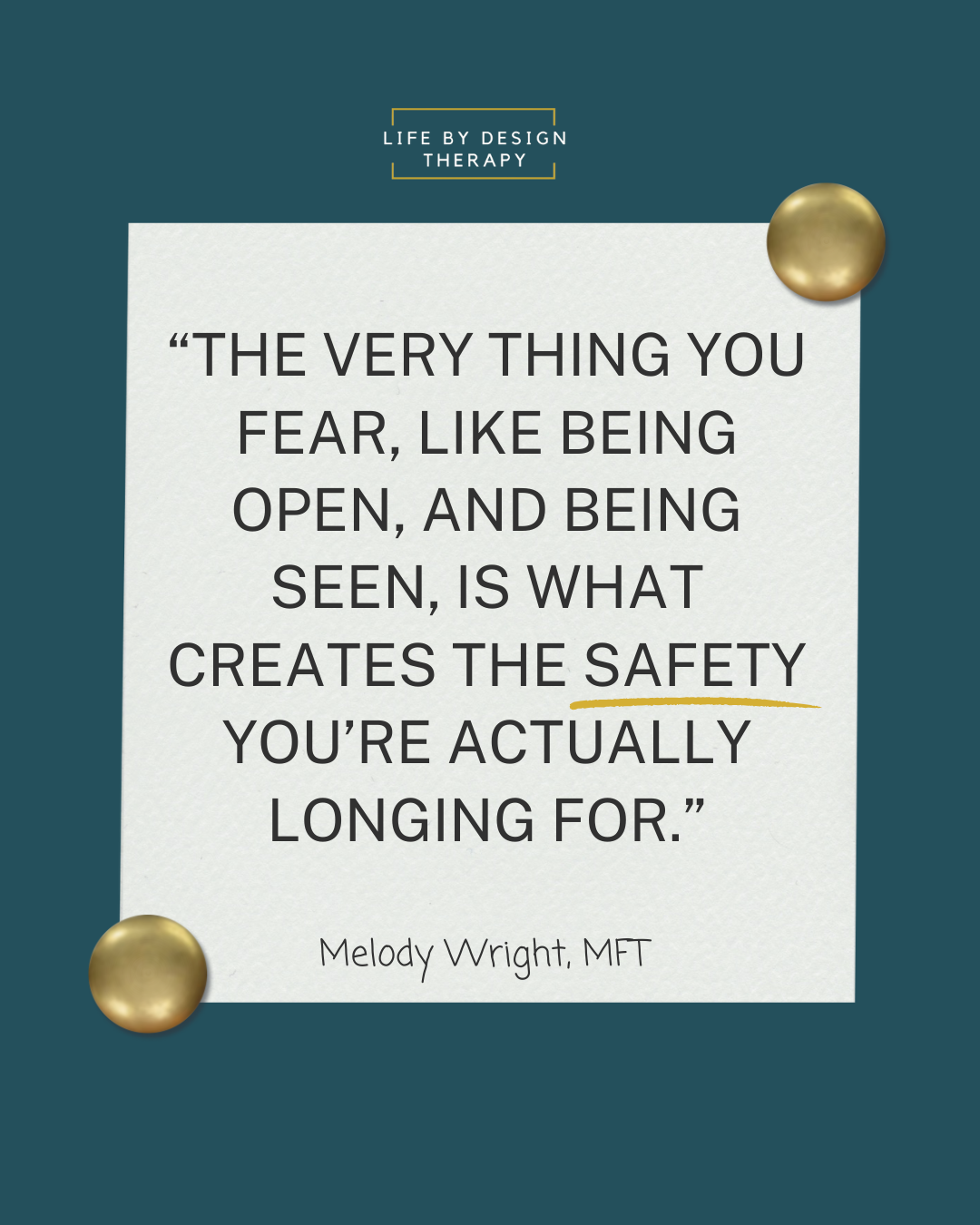
Here’s the irony: the very thing you fear, like being open and being seen, is what creates the safety you’re actually longing for.
True emotional intimacy isn’t built through perfection; it’s built through openness and understanding.
It grows in the moments you dare to tell the truth about how you feel.
For example
🌻 “I was hurt by that.”
🌻 “I’m scared we’re drifting apart.”
🌻 “I need your reassurance right now.”
When we allow those moments to exist, we create a bridge of understanding that’s far stronger than pretending everything’s okay.
If you’ve ever found yourself stuck in miscommunication, repeating the same arguments, or feeling unheard, this might be the next step in your journey toward reconnection.
Explore how to rebuild understanding and safety in your relationship in our related blog, How to Heal Miscommunication in Your Relationship and Rekindle Connection.
The Link Between Vulnerability and Attachment
From an attachment perspective, vulnerability is how we invite connection.
When you express emotion, you’re sending a signal that you desire closeness.
If your early experiences taught you that expressing needs leads to rejection, your body might automatically move into protection by pulling away, shutting down, or becoming defensive.
Learning to be vulnerable means re-teaching your nervous system that closeness can be safe.
And that takes time, repetition, and trust.
When both partners begin to understand that dynamic, realizing those protective patterns are really bids for safety, the conversation shifts from “Why are you like this?” to “What are you afraid might happen if you open up?”
That’s where healing begins.
How to Practice Vulnerability with Your Partner
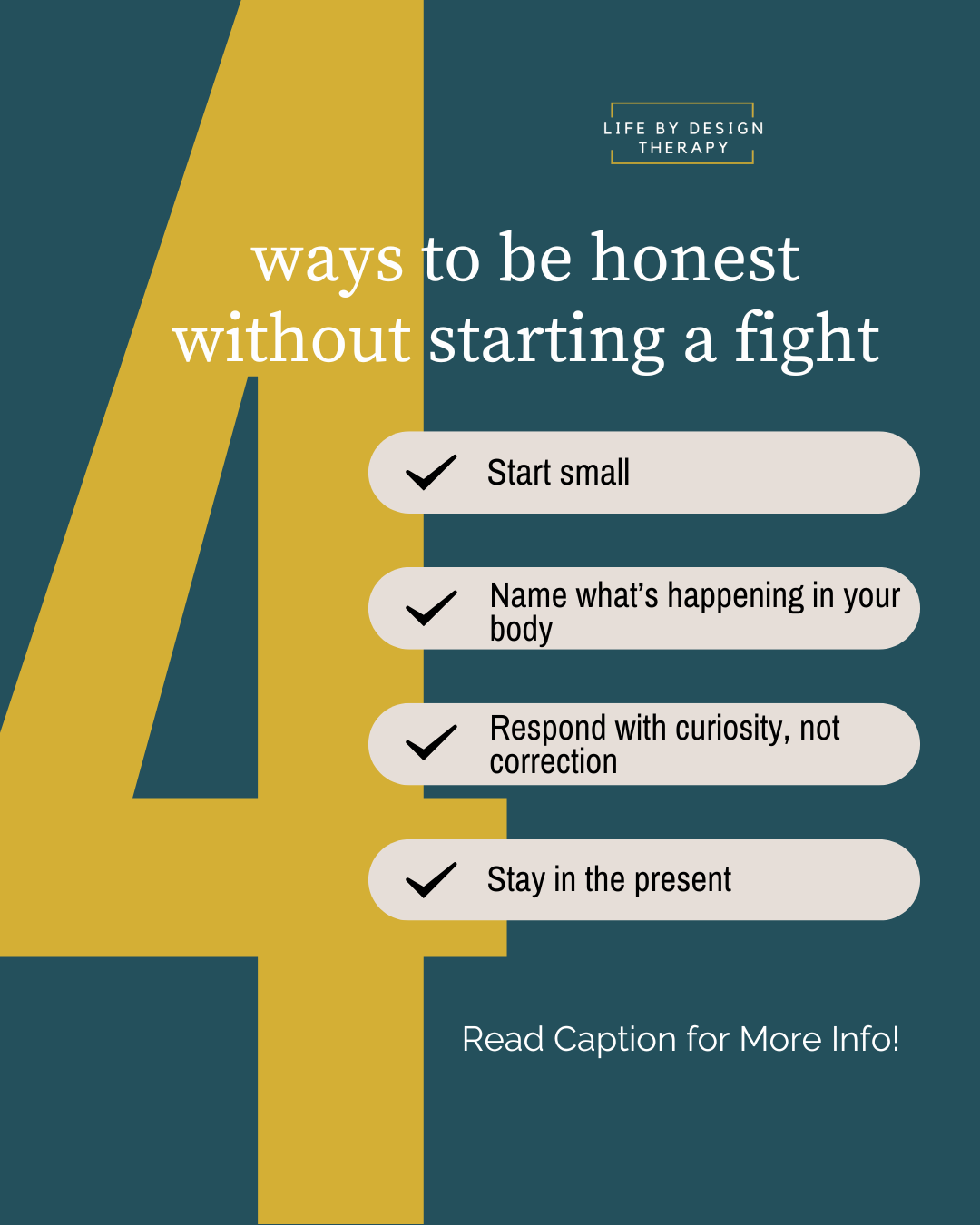
Start small. You don’t need to begin with the deepest wound. Start with sharing a small worry, disappointment, or appreciation. Remember, safety builds with time and practice.
Name what’s happening in your body. Try saying, “This feels hard to say out loud,” or “I’m nervous you won’t understand.” By naming your emotions, you’re bringing your inner experience into the relationship in a way that builds safety.
Create rituals of connection. Regular check-ins, shared moments of gratitude, or quiet time together all signal safety to your nervous system.
Respond with curiosity, not correction. When your partner shares something vulnerable, try to listen before you problem-solve. Curiosity keeps the door open.
Return to presence. The heart of vulnerability is being here, listening, noticing, and staying engaged even when it feels uncomfortable. The more present you are with each other, the safer vulnerability becomes.
Remember, repair matters more than perfection. Every couple misses the mark sometimes. What matters is how you come back to each other afterward.
If you want to explore how presence itself can deepen emotional connection, check out our blog, Mindfulness and Relationships: How Presence Can Strengthen Connections.
Final Thoughts
Vulnerability isn’t the opposite of strength; it is strength.
It’s the courage to say, “Here I am,” even when your voice shakes.
It’s what turns conflict into understanding, distance into closeness, and love into something deeper than comfort.
Something safe, steady, and real.
And if opening up feels impossible right now, that’s okay, too.
It just means your body is still learning that it’s safe to be seen.
Therapy can help with that. It can give you space to slow down, regulate, and rebuild safety from the inside out.
At Life By Design Therapy™, our therapists specialize in couples therapy through a somatic and attachment-based lens. We help couples learn how to communicate openly, repair conflict, and build emotional safety so vulnerability feels possible again.
So if you’re in need of support, connect with us by booking a call. We’re ready to help you find safety within yourself.
This Week's Affirmations
My feelings deserve space, even when they’re uncomfortable.
I am allowed to need reassurance and comfort.
It’s okay if opening up feels hard; it means my body is protecting me.
I am learning that honesty builds safety, not harm.
Even when I feel scared to open up, I can still stay present.
Additional Resources
**If you’re interested in learning more about ways to strengthen your relationships, check out these books below:
The Five Love Languages: The Secret to Love that Lasts by Gary Chapman
Nonviolent Communication: A Language of Life by Marshall B. Rosenberg
Hold Me Tight: Seven Conversations for a Lifetime of Love by Dr. Sue Johnson
**Some product links are affiliate links, which means we'll receive a commission if you purchase through our link, at no extra cost to you. Please read the full disclosure here.


Healing From Relational Trauma: Strategies for Recovery and Growth
By Melody Wright, LMFT
Have you ever felt like your past experiences have left you with emotional scars that you just can't seem to shake off? Do you find it difficult to trust others or form healthy relationships because of past trauma? Relational trauma could be the culprit. Relational trauma can have a profound impact on a person's ability to connect with others and can lead to many things, such as anxiety, depression, and even physical health problems. In this blog, we'll explore what relational trauma is, and what can be done to heal from it.

What is Relational Trauma?
Relational trauma is a term used to shed light on the impact of traumatic experiences within relationships. Relational trauma can stem anywhere from a childhood of abuse or abandonment, or negative interactions as an adult with coworkers, and friends.
Healing from relational trauma is a complex process that requires time, patience, and support. For some, it can be a deeply painful and difficult experience to navigate. However, it's important to remember that you are not alone in your struggle and that healing is possible. With the right strategies for recovery and growth, you can begin to find a sense of peace and resilience in the face of this trauma.
Strategies for Trauma Recovery and Growth
Acknowledge the Impact of Trauma - The first step in healing from relational trauma is acknowledging its impact on your life. This means becoming aware of the ways these experiences have affected your thoughts, feelings, and behaviors. It may involve acknowledging difficult emotions such as shame, guilt, anger, and sadness. During your acknowledgment journey remember the trauma you’ve experienced is not your fault and that healing is possible.
Practice Self-Care - Whatever self-care looks like for you, it is an essential piece to the puzzle of your healing journey. This may include exercise, eating a balanced diet, prioritizing sleep, practicing relaxation techniques such as meditation or yoga, and engaging in activities that bring you joy and pleasure. However, self-care can also look like setting boundaries and saying no to activities or relationships that do not serve your well-being.
Cultivate Resilience - Resilience is the ability to weather difficulties and recover quickly. It involves developing skills such as problem-solving, stress management, and emotional regulation. Relational trauma can also involve nurturing the positive relationships you have and engaging in activities that promote a sense of purpose and meaning.
Process Traumatic Memories - Trauma memories can be overwhelming and have the ability to resurface unexpectedly. It can be beneficial to seek support from a therapist or trauma specialist to process these memories and make sense of them. When seeking out a therapist look for those that utilize techniques such as Somatic Therapy, Sensorimotor Psychotherapy, or additional trauma training. By processing the traumatic memories it can help reduce the intensity of emotions and help you move forward to live your life with a sense of worth and security.

Final Thoughts
Healing from relational trauma is a unique process for every individual and requires time, patience, and support. It is possible to recover from trauma and grow into a happier, healthier, and more fulfilled person. Remember, healing is possible, and you are not alone.

Here at Life By Design Therapy, we have a trauma-informed staff that utilizes modalities such as CBT, Holistic and Somatic Therapy techniques to support you on your journey. If you are interested in getting started, CLICK HERE to schedule a free phone consultation with a therapist of your choice.
Additional Resources
If you would like to learn more about different forms of trauma and how to heal, below are a few books to expand your knowledge.
**Some product links are affiliate links, which means we'll receive a commission if you purchase through our link, at no extra cost to you. Please read the full disclosure here.